
Interview with
Mr. Robert Sæbø
Director of Projects & Business Development
For starters, Robert please tell us about the history and background of MEMO Shipping.
MEMO Shipping AS is an independent Norwegian shipping and logistics company with a strong foundation in Project Cargo and Specialized Transport Solutions. The company was established with a clear focus on combining traditional shipping expertise with a flexible, customer-oriented approach.
Over the years, MEMO Shipping has developed a solid reputation within the Project Logistics segment by consistently delivering tailored transport solutions for Complex and Oversized cargo. Our philosophy has always been built on close client collaboration, transparency, and operational reliability. Being Norway-based, we have naturally developed strong competence in handling cargo related to Offshore, Energy, Infrastructure, and Industrial sectors, which are key drivers of the Norwegian economy.
What kind of shipping business do you specialize in—freight forwarding, chartering, etc.? Could you elaborate on why you believe that you are the right company to contact in this field?
Our core activities are within Project logistics, Freight forwarding, and Vessel Chartering, with a particular emphasis on Heavy lift and Breakbulk cargoes.
We typically act as a full-service logistics partner, managing:
- Door-to-door project shipments
- Vessel chartering (part charter and full charter solutions)
- Cargo engineering and route surveys
- Port handling and coordination
- Multimodal transport (Sea, Road, Air and Rail)
What sets MEMO Shipping apart is our hands-on involvement and flexibility. We are not tied to specific carriers or assets, which allows us to remain completely neutral and select the most efficient solution for each project. Our team has extensive operational experience, meaning decisions are made quickly and based on real-world logistics understanding—not just theory.
Clients value us for being solution-driven, particularly when timelines are tight or cargo is technically challenging.
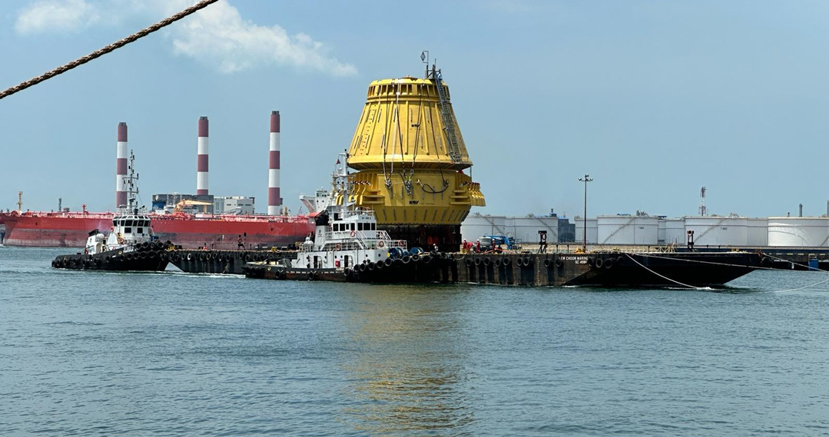
Norway is a country located in the north of Europe and might not be that well-known in terms of ports, etc. What are the main ports of Norway if you think about project cargo and shipping?
Norway offers a wide range of highly capable ports, particularly suited for project and offshore-related cargo. Key ports include:
Port of Bergen, incl Mongstad and Agotnes – A major hub for offshore and oil-related cargo, with excellent infrastructure for project shipments.
Port of Stavanger (Risavika) – Strong focus on energy sector logistics and heavy lift operations.
Port of Oslo – Norway’s largest general cargo port, suitable for a wide range of project shipments.
Port of Kristiansand and Ålesund – Strategically positioned for European trade routes and project cargo.
Port of Narvik – Ice-free deep-water port in the north, particularly strong for bulk and heavy cargo.
Port of Hammerfest – Important hubs for offshore supply and industrial projects.
Additionally, Norway’s coastline offers numerous specialized quays and private industrial ports, often located close to production sites—this is a major advantage for project logistics.
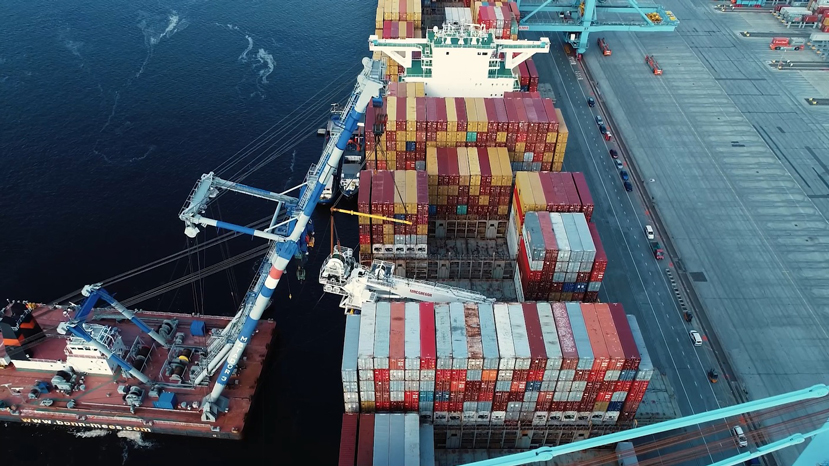
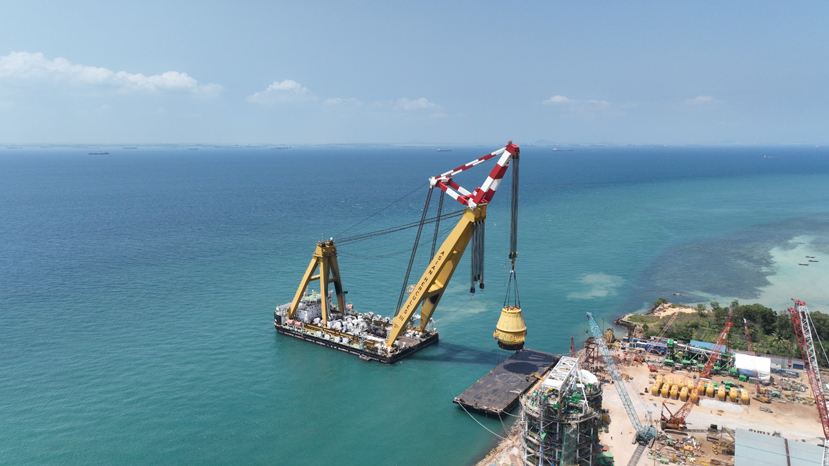
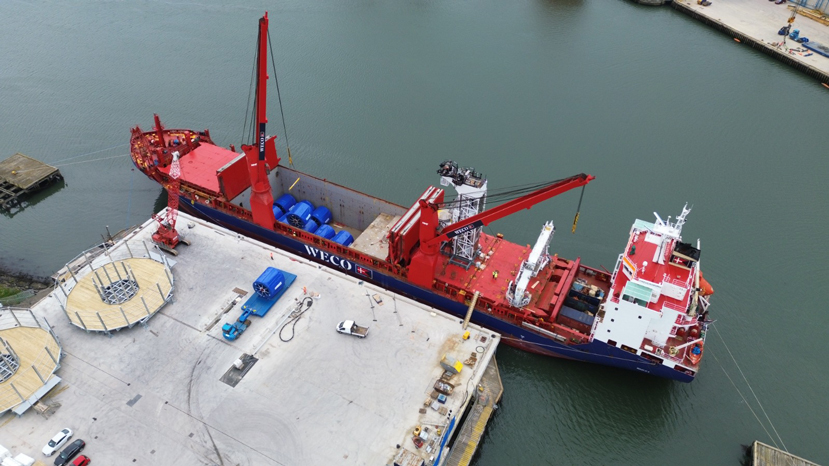
Could you elaborate on some of the projects and/or chartering tasks you have performed recently? (pictures, etc.) In that way, our readers will know more (as pictures say more than words generally).
MEMO Shipping has recently been involved in several complex project shipments and chartering operations, including:
- Transport of Oversized Offshore Modules from fabrication yards in SE Asia, Europe to North Sea destinations.
- Chartering of Multipurpose Heavy Lift vessels for delivery of Wind Energy components, including tower sections and nacelles
- Handling and shipment of Industrial Machinery and Factory units for Energy and Infrastructure projects
- Coordination of RO/RO shipments and Breakbulk cargoes to remote locations with limited port infrastructure
These projects typically involve a combination of:
- Detailed planning and cargo engineering
- Close coordination with ports, terminals, and vessel operators
- On-site supervision during loading and discharge
While images often provide strong visual context, what stands out most is the precision in execution and coordination across all stakeholders,
which is critical in project shipping.
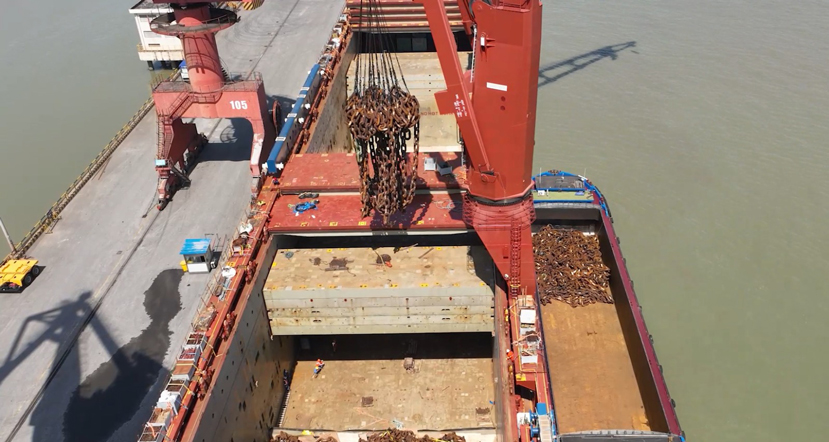
How do you go about finding your customers nowadays? In the past, it was usual to personally meet with customers. However for some companies, it is now difficult to get a face to face appointment. How does it work in Norway? I am asking because many of our readers are located worldwide with different conditions locally.
The industry has certainly evolved. While personal relationships remain at the core of shipping, the way we connect with clients has changed.
At MEMO Shipping, we rely on:
- Long-term relationships and repeat clients
- Global partnerships and agent networks
- Industry events, Exhibitions, and Conferences
- Digital presence and direct outreach
In Norway, face-to-face meetings are still important, particularly for complex project discussions. However, we have adapted to more hybrid communication models where digital meetings complement physical interaction.
Ultimately, trust is still built through performance and reliability, regardless of the communication channel.
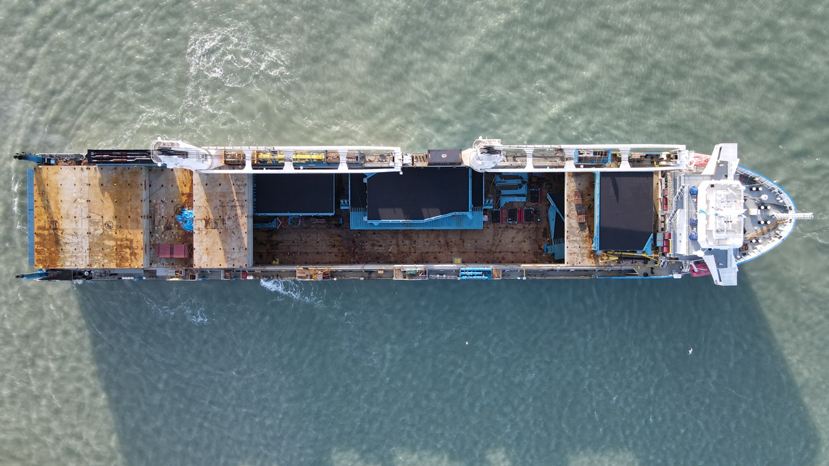
Do you find that the customer service provided by the major shipping lines has improved or deteriorated in recent years, given the fact that some shipping lines have their own freight forwarding and/or chartering division now?
This is a nuanced topic. On the one hand, larger shipping lines have improved digital tools, tracking systems, and global coverage. On the other hand, many customers experience a reduction in personal interaction and flexibility, especially for non-standard cargo.
With some carriers now offering their own forwarding or logistics services, there can be a perception of competition within the value chain.
For specialized cargo, such as Project and Heavy Lift Shipments, the need for tailored solutions and direct communication remains critical. This is where independent operators like MEMO Shipping play an important role—bridging the gap and ensuring that customer requirements remain the primary focus.
No one can predict the future, but if you give it a try and look into your crystal ball, what do you see for the remainder of 2026?
While no one can predict with certainty, a few trends are quite clear:
- Continued demand from the renewable energy sector, particularly offshore wind and infrastructure projects.
- Increased focus on supply chain resilience and diversification.
- Continued pressure on cost efficiency and transit times.
- Further development in digitalization and operational transparency.
At the same time, geopolitical factors and market fluctuations will continue to impact freight markets.
Overall, we expect steady activity in the project cargo segment, with opportunities for companies that can remain agile and solution-oriented.
How would is be best for our readers to get in touch?
Clients and partners are welcome to reach out to MEMO Shipping AS through:
- Website: www.memoshipping.com
Email: chartering@memoshipping.com - Direct contact: Our team is always available for project discussions and feasibility assessments
We encourage early engagement in the project planning stages, as this allows us to add maximum value through optimized logistics solutions.