
Interview with
Mr. Vikas Sharma
Head of Operations, Compliance, Company Infra, Network Development and Vendor Management

Can you tell our readers about the background and history of Sccorra Logistics? Does the name Sccorra have a specific meaning?
SCCORRA Logistics India Pvt. Ltd. was incorporated in 2021 with a clear purpose: to build a logistics company where professionalism, accountability and consistency are fundamental operating principles—not merely promises used in a sales presentation.
The company was created from a practical understanding of how logistics actually works. Customers do not experience freight forwarding as an isolated ocean or air booking. They experience the entire chain: the quotation, documentation, cargo readiness, customs, equipment, transportation, port or CFS handling, communication, delivery and the resolution of whatever goes wrong along the way.
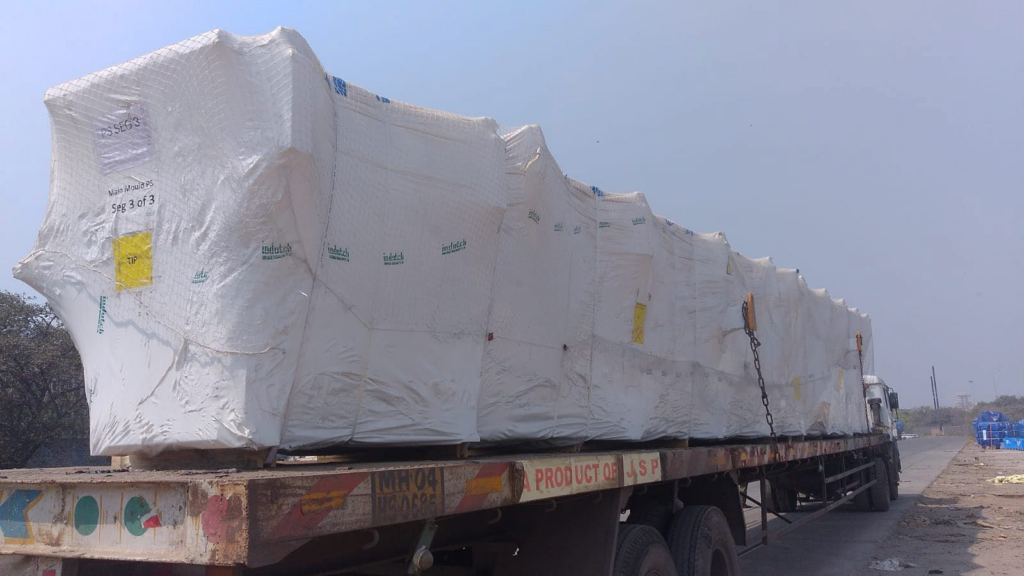
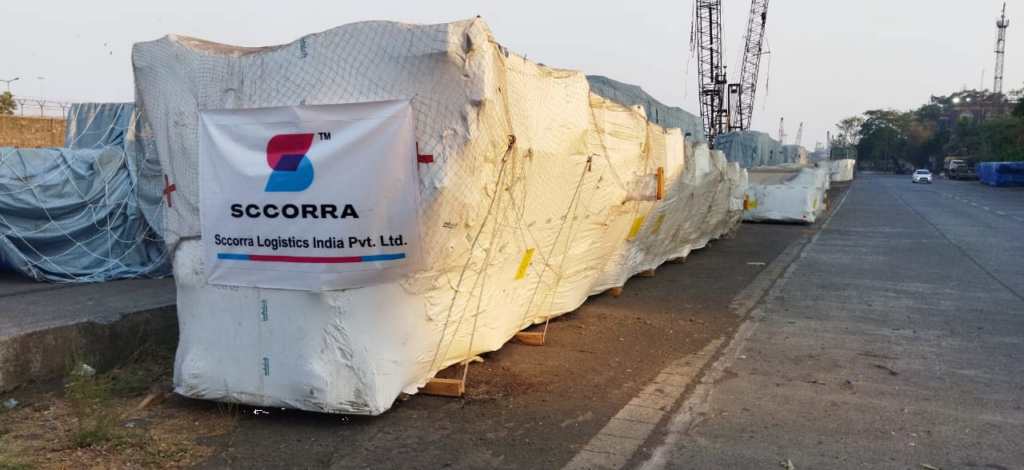
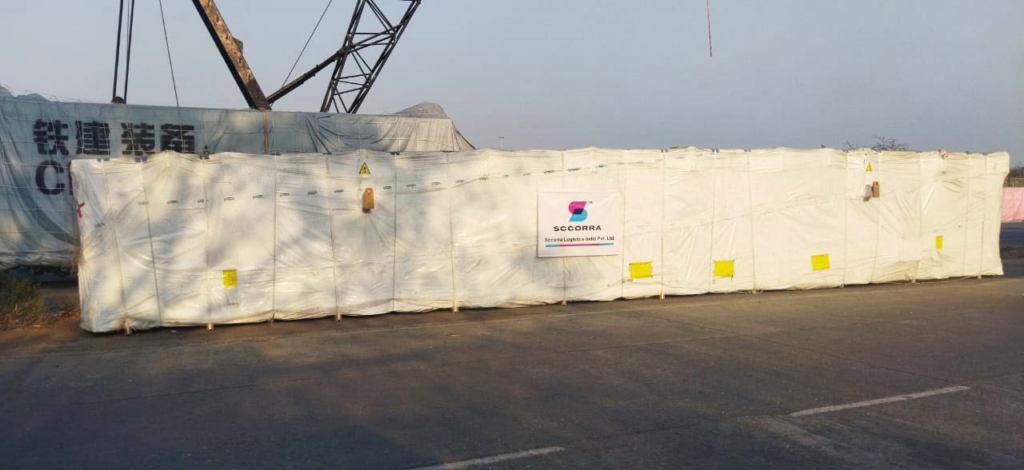
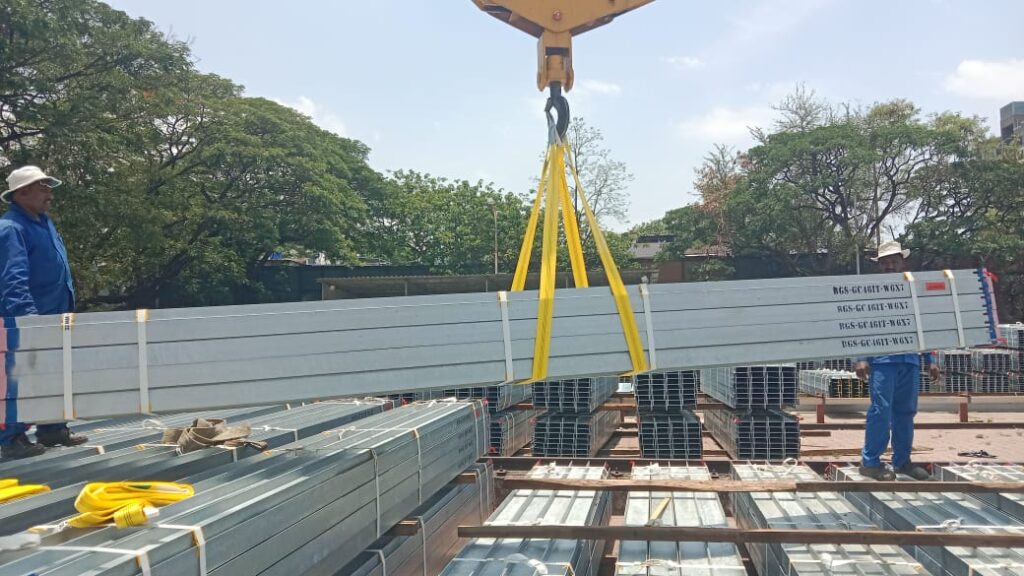
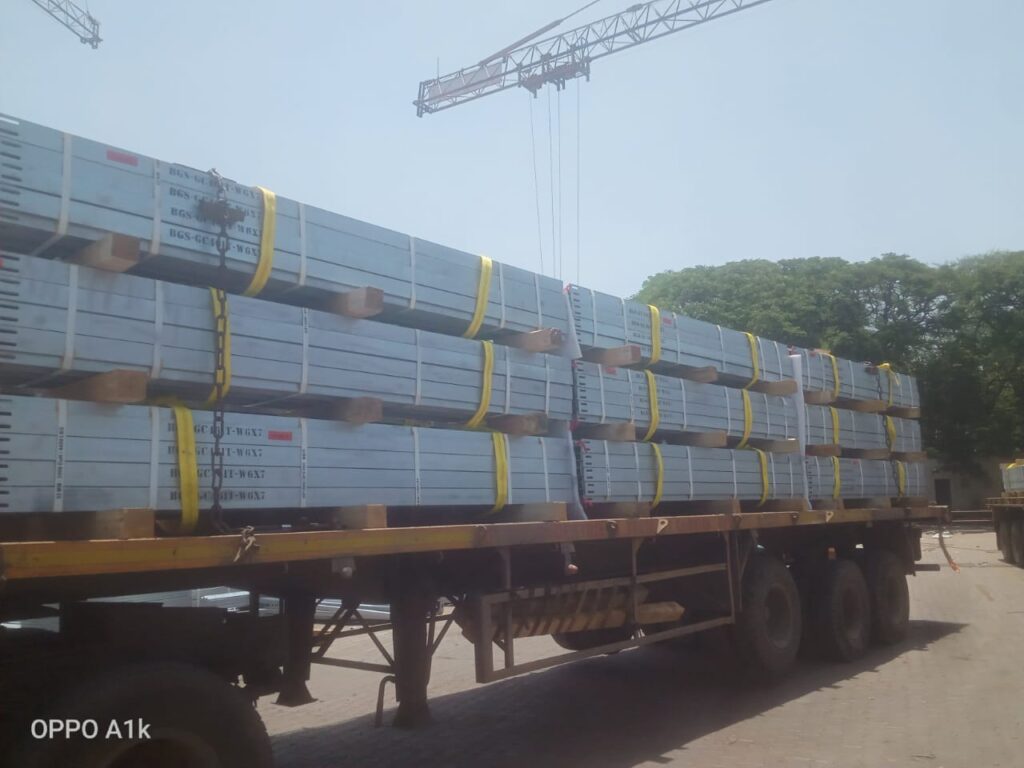
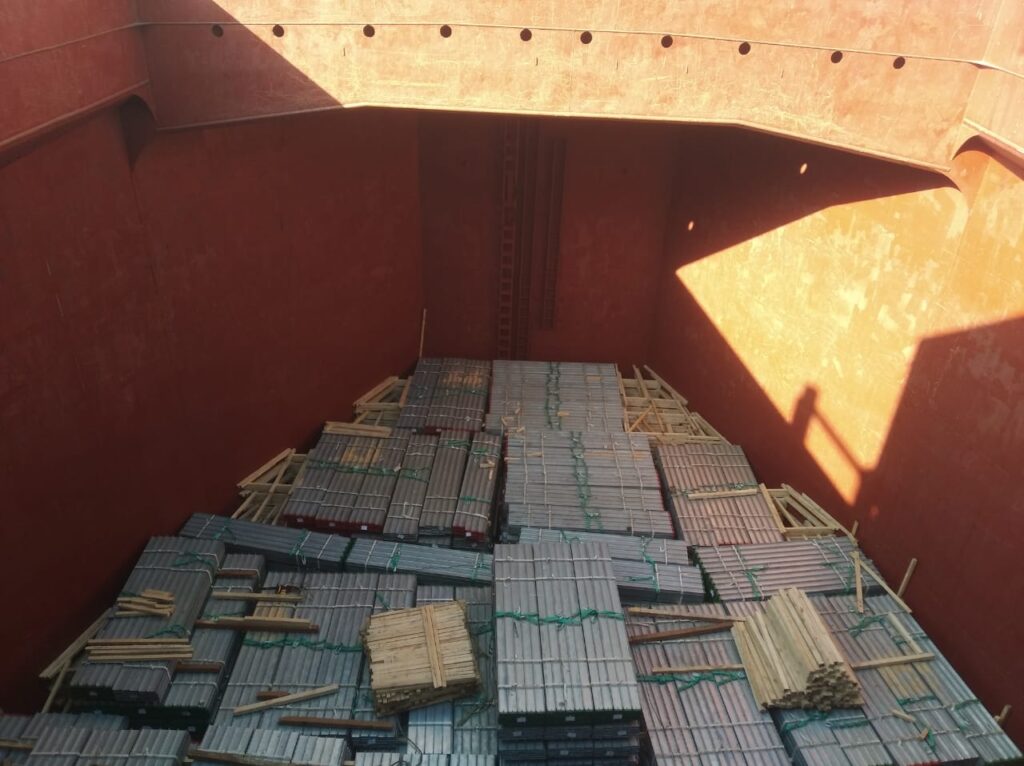
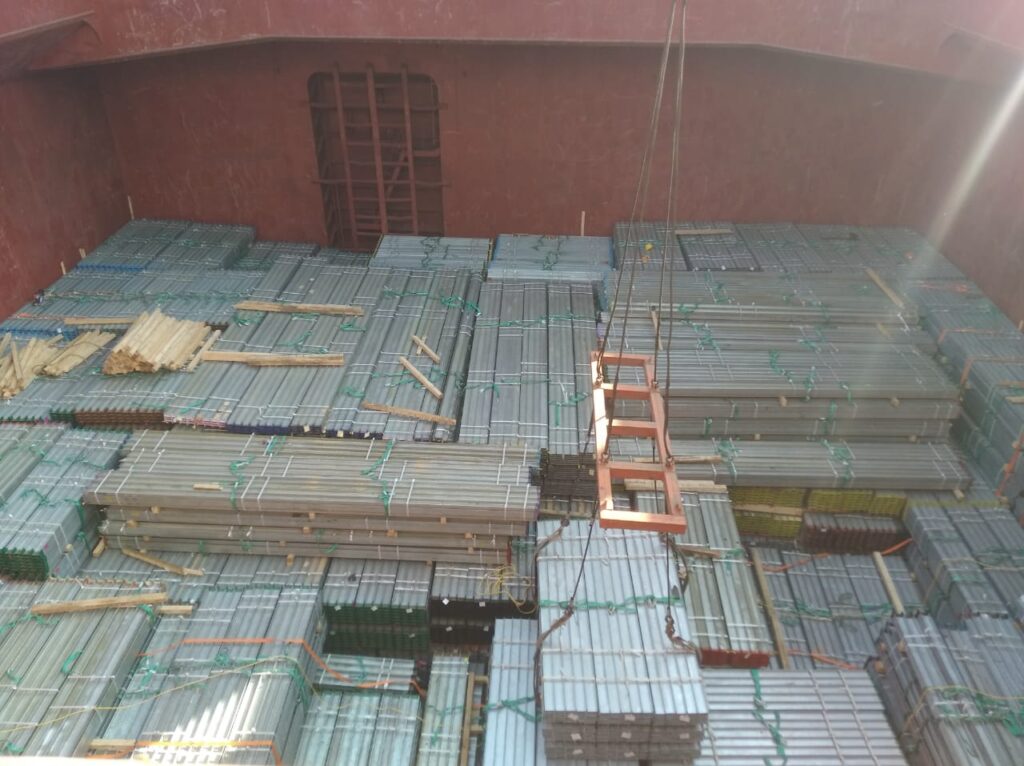
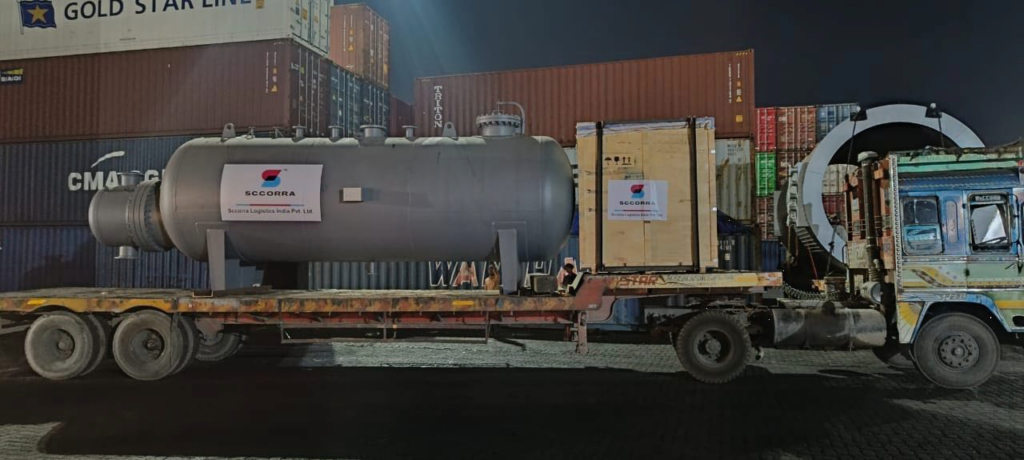
That is why SCCORRA is designed to provide more than conventional freight-forwarding services. Our capabilities include containerized cargo, special container equipment, air and ocean freight, road transportation, customs brokerage, port and CFS handling, project and breakbulk cargo, packaging, route surveys, charters, barge movements, cargo escorts, statutory permissions, warehousing, and other value-added logistics solutions.
The principle behind our work is straightforward: a commercial proposal is a commitment. Before quoting, we try to understand the cargo, routing, equipment requirements, delivery window, statutory obligations, documentation, site conditions and possible operational risks. Only then can we recommend a solution that is realistic. Once we commit to that solution, we believe our responsibility is to remain involved until the assignment is completed—not disappear after issuing a booking confirmation.
The name “SCCORRA” reflects our association with the supply chain and our idea of a “Supply Chain Oracle.” For us, an oracle is not someone who claims to predict the future. It represents experience, foresight and the ability to recognize what could happen before it becomes a problem. Vessels may be delayed, equipment may become unavailable, customs may raise a query, ports may face congestion, or project cargo may encounter an unexpected route restriction. No logistics company can control every external event, but a professional partner can anticipate exposure, communicate honestly and prepare alternatives.
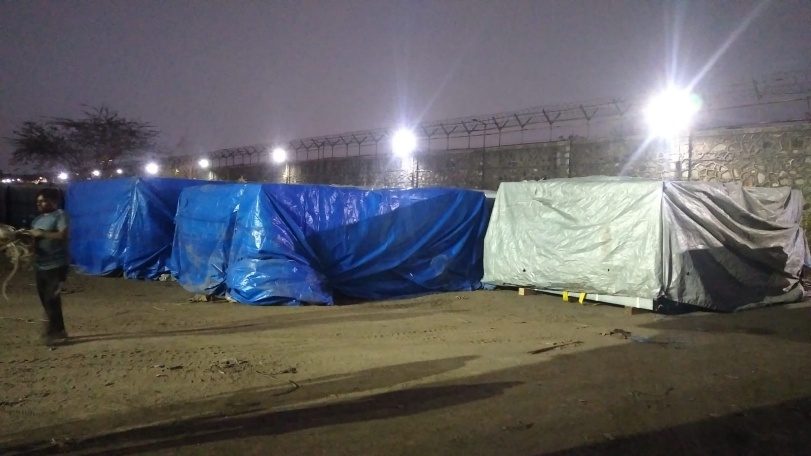
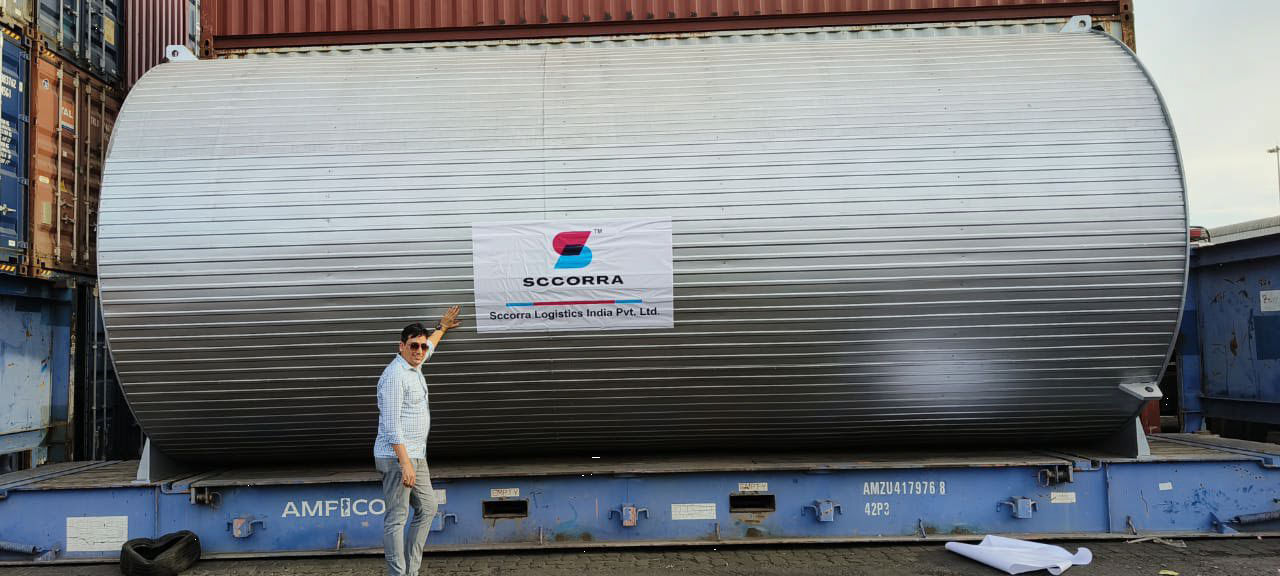
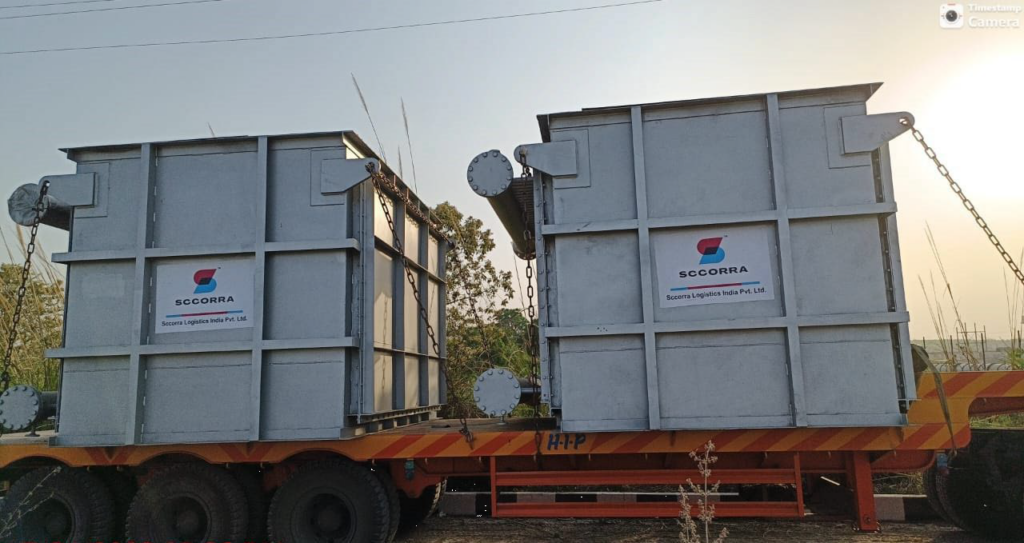
Our growth objective has never been based solely on becoming the largest company in the market. We want to become the company customers and logistics partners call when execution, communication and accountability matter. We are particularly comfortable with cargo that does not fit a standard process: ODC and heavy-lift movements, breakbulk, project cargo, special equipment, charters and complex door-to-door assignments.
SCCORRA is therefore built around a simple promise: we convert commitments into execution. That remains the foundation of the company and the standard against which we measure ourselves.

India is a huge and developing market with many freight forwarders. What in your opinion makes you the one to talk to? What are your advantages compared to others?
India is a large, diverse and rapidly changing logistics market. There are global integrators, large Indian logistics companies, specialist project forwarders, regional operators and thousands of smaller service providers. We do not pretend that SCCORRA is larger than these organizations, nor do we try to win by claiming that we can offer everything to everyone.
Our advantage is more focused: we are built around complexity tolerance, relationship depth and accountability.
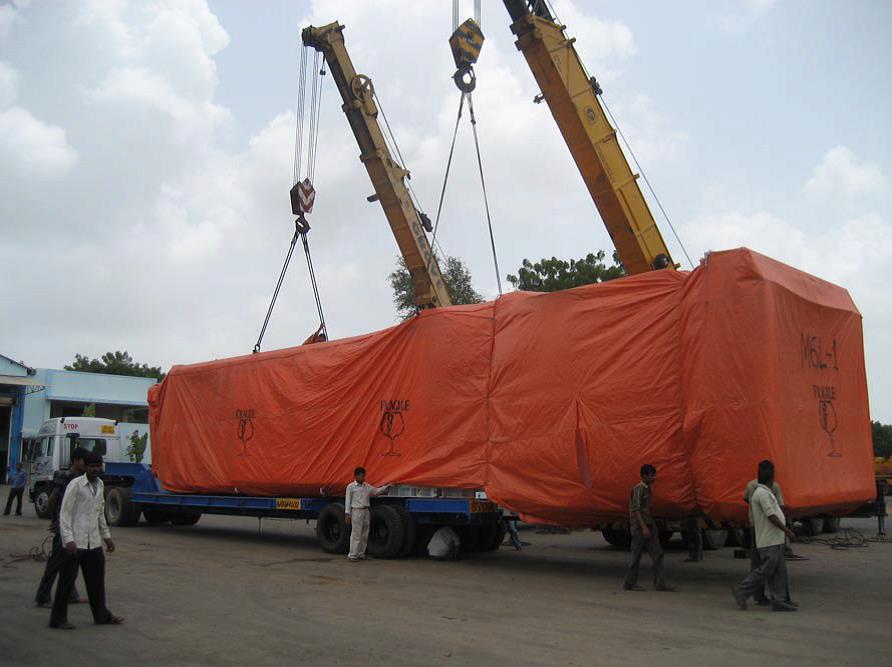
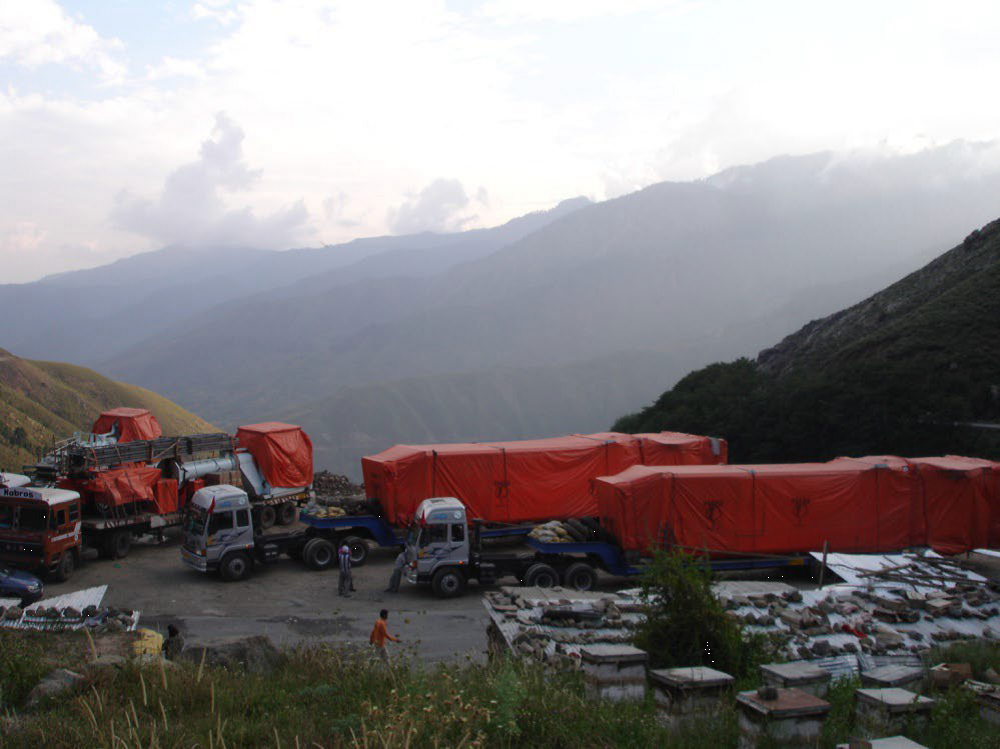
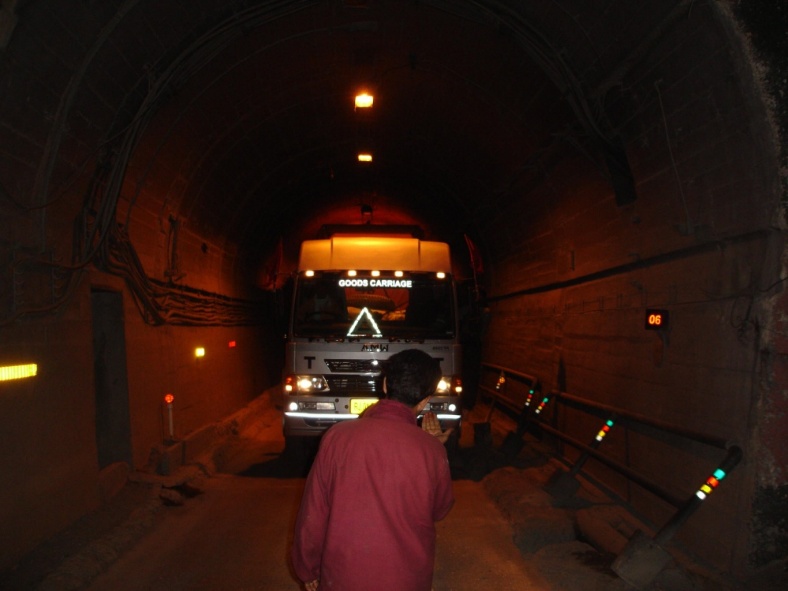
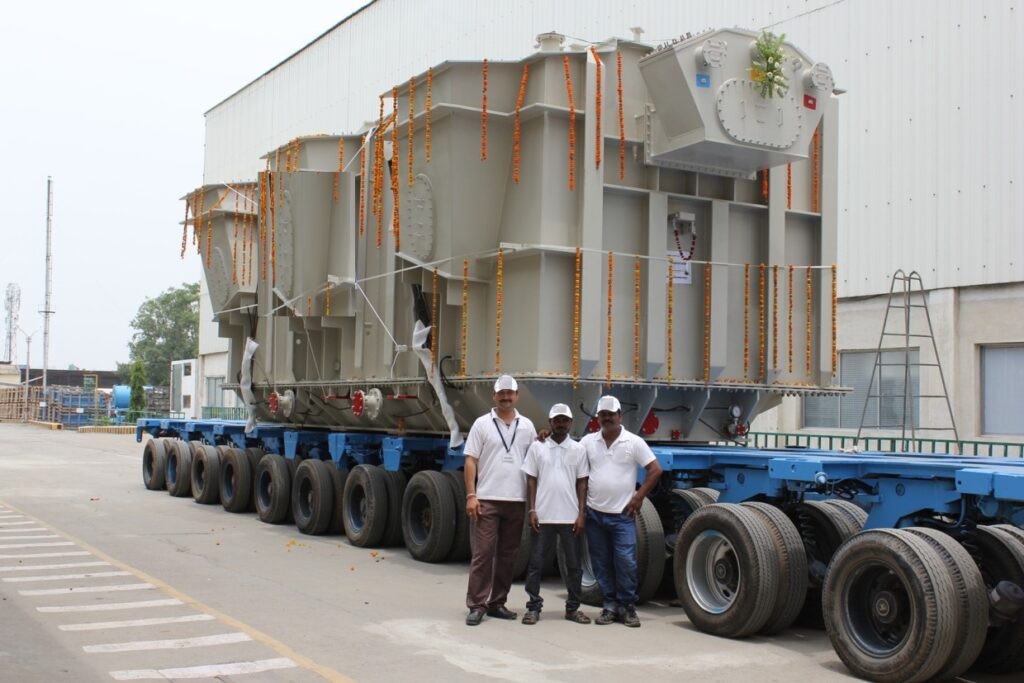
A standard container booking can often be compared on price, transit time and sailing frequency. The more difficult assignments are different. They may involve ODC or heavy-lift cargo, flat racks, open tops, breakbulk, factory loading, route surveys, escorts, statutory permissions, CFS activity, specialized trailers, port handling, site constraints or a project deadline. In such cases, the freight rate is only one part of the solution. The real question is whether the entire movement has been thought through.
That is where our “Supply Chain Oracle” approach becomes relevant. We try to understand the customer’s business, cargo, Incoterms, production schedule, documentation process, cost priorities and tolerance for delay before we recommend a solution. We do not see ourselves as a booking desk that quotes first and investigates later.
Our service portfolio covers containerized cargo, FCL and LCL, special container equipment, air freight, ocean freight, transportation, customs brokerage, port and CFS handling, warehousing, packaging, project cargo, breakbulk, ODC movements, route surveys, charters, barge movements, cargo escorts, statutory permissions, EXW and DDP deliveries, and other value-added services. The important point is not the number of services. It is our willingness to connect them into one operating plan.
We also treat compliance and documentation as part of the logistics product. Bills of lading, invoices, packing lists, HS classification, cargo descriptions, valuation, customs requirements and free-time planning can materially affect the result. Our objective is to identify those issues before the cargo moves, rather than treating them as an administrative problem after arrival.
SCCORRA is deliberately focused and accessible. Our size allows customers and overseas partners to communicate directly with people who understand the shipment. We are not suggesting that a smaller organization automatically performs better; we are saying that a focused organization can give a complex shipment attention that may be difficult to obtain in a large, highly layered system.
For overseas partners, our value is equally clear. They retain the international customer relationship and global brand, while SCCORRA acts as an accountable India execution desk. We coordinate the local suppliers, anticipate Indian operational requirements, provide structured updates and escalate issues early.
We are not the right company for every shipment. We are the right company for customers and partners who value execution over excuses, specialization over scale, and partnership over a purely transactional relationship.
Many of our readers may NOT be familiar with the Indian market. Could you elaborate a bit about the current logistics market in India? What we read in the papers is that infrastructure has developed rapidly in recent years.
India’s logistics market is best understood as a country in transition. The infrastructure story is real: ports, highways, freight corridors, airports, digital customs systems and multimodal connectivity have improved significantly. At the same time, the operating environment remains heterogeneous. A modern port or expressway does not automatically eliminate the complexity of the factory, the customs desk, the local road, the terminal interface or the final delivery site.
The country has invested heavily in logistics infrastructure as manufacturing, exports, e-commerce and supply-chain diversification have expanded. Major ports have increased capacity and improved productivity, while new terminals and port-connectivity projects are being developed. Dedicated Freight Corridors and highway expansion are improving long-distance movement on important routes. Major airports have also strengthened their cargo capabilities, particularly for time-sensitive, pharmaceutical and high-value shipments. Digital platforms such as ICEGATE and the implementation of faceless customs assessment have made many customs processes more electronic and standardized.
The official NCAER–DPIIT assessment placed India’s logistics cost at approximately 7.97% of GDP for 2023–24, replacing the much higher 13–14% estimate that had often been quoted previously. The revised figure reflects a more systematic assessment, as well as the impact of infrastructure and process improvements.
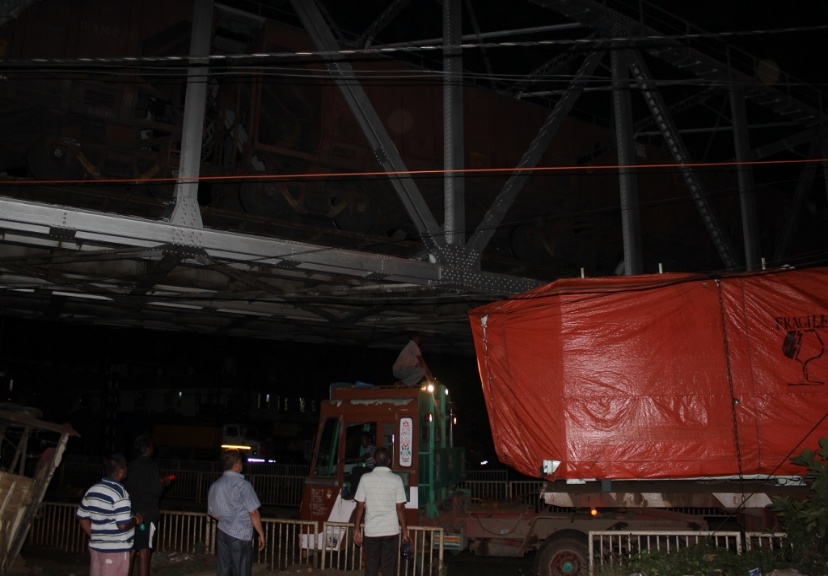
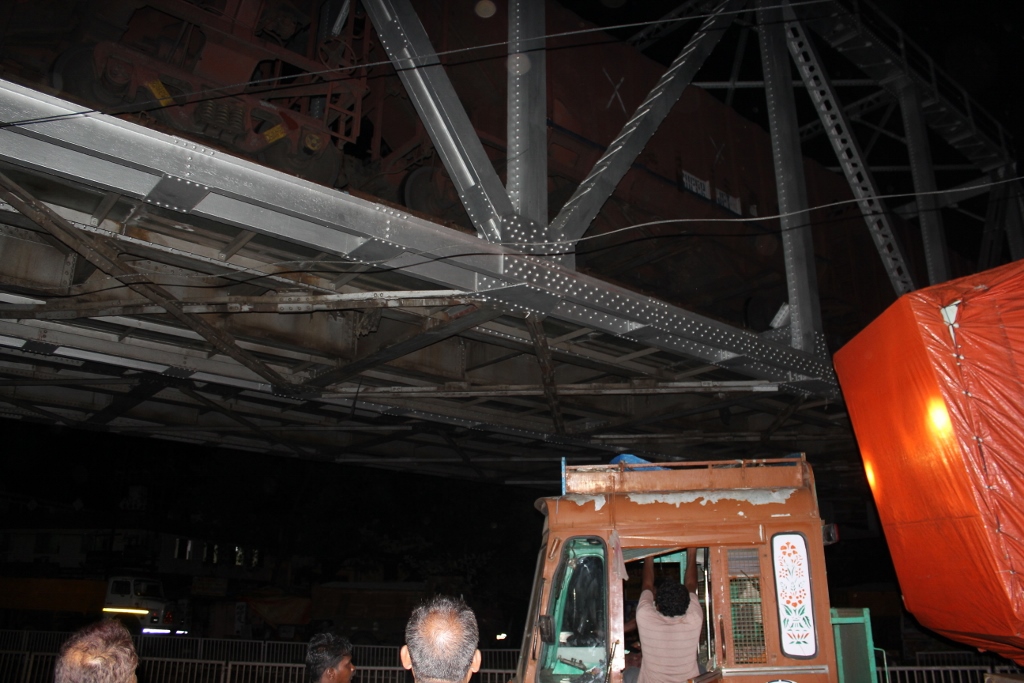
However, the correct interpretation is not that every movement in India is now frictionless. The improvement is uneven across regions, modes and cargo types. A standard container moving between major industrial and port hubs may benefit from improved connectivity. An over-dimensional shipment moving from a factory to a remote project site may still require route surveys, state-level permissions, escorts, bridge assessments, traffic coordination and careful timing.
India’s supplier ecosystem is also highly diverse. A shipment may involve an exporter, factory, transporter, customs broker, CFS, terminal, shipping line, surveyor, warehouse and consignee, each operating with different systems and levels of preparedness. Documentation must remain consistent across those interfaces. A discrepancy in a product description, invoice, packing list or classification can create delays even when the physical infrastructure is available.
This is the dual reality of India: the country is modernizing rapidly, but the transition is not uniform. The macro infrastructure is improving; the micro execution still requires local knowledge.
For overseas customers and logistics partners, India should neither be viewed as an impossible market nor treated as operationally identical to a mature logistics hub. It is dynamic, opportunity-rich and increasingly capable, but it rewards preparation.
SCCORRA’s role is to bridge that gap. We help connect international expectations with Indian operating realities. We plan the movement around the cargo and the project, align documentation before execution, coordinate the local service chain and communicate when circumstances change.
The most important infrastructure is not always concrete, steel or software. In complex logistics, it is also the quality of coordination between all the parties using that infrastructure. That is where a focused India partner continues to add value.
Some shipping lines now wish to compete directly with the freight forwarders. What is your opinion about that? Does that also happen in India?
Yes, this is happening in India, as it is globally. Major shipping lines are moving beyond the traditional port-to-port model and offering inland transportation, customs support, warehousing, visibility platforms and broader end-to-end logistics solutions. The commercial logic is understandable: ocean freight is cyclical and exposed to rate volatility, while logistics services closer to the customer can provide a broader relationship and a more diversified revenue base.
Shipping lines possess genuine advantages. They control vessel capacity, equipment and sailing schedules. During periods of disruption or scarcity, they decide how space is allocated and which lanes or customers receive priority. Large shippers may obtain direct contracts, dedicated account management and attractive terms that a smaller intermediary cannot always match.
India has the same dynamic. A relatively limited group of major carriers handles a significant portion of containerized international trade, while the forwarding market remains highly fragmented. Carriers are increasingly presenting direct digital booking and door-to-door products, particularly to large exporters, importers and multinational customers.
From our perspective, this is not necessarily a conflict that must end with one side eliminating the other. It is a rebalancing of roles. For standard, predictable, high-volume container freight, direct carrier engagement may be entirely appropriate. For other shipments, the carrier’s strengths do not remove the need for an independent forwarder.
Carriers must manage networks, vessel utilization, equipment flows and yield. When supply is constrained, commercially attractive lanes and high-paying cargo naturally receive attention. Smaller shippers, secondary lanes, unusual equipment requirements and cargo needing extensive local coordination may not receive the same priority. Geopolitical disruptions, vessel diversions, blank sailings, port congestion, equipment imbalance and short rate validity make that exposure more visible.
This is where SCCORRA positions itself differently. We do not compete with carriers by claiming to own vessels or offer the lowest ocean rate. We work with carriers where their capacity and network are the right solution. Our role is to make the overall shipment executable.
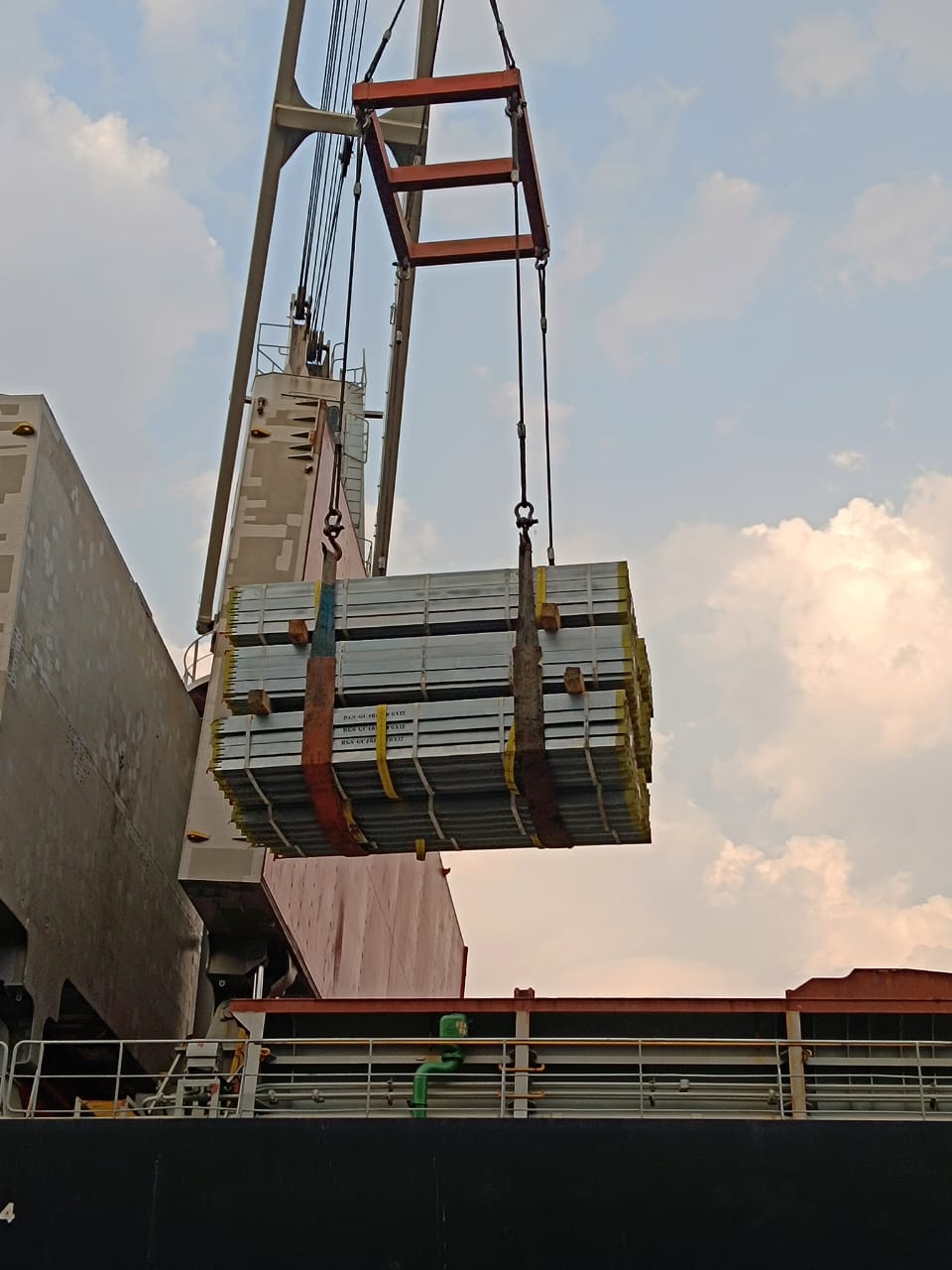
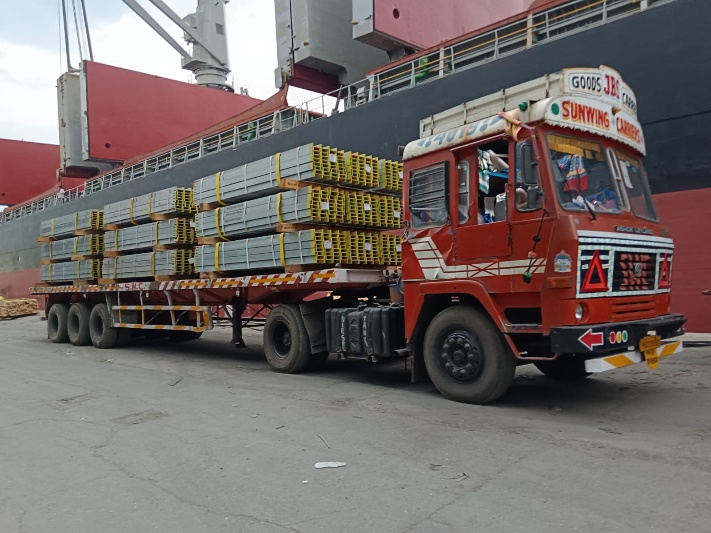
We are carrier-agnostic in our planning. Where possible, we consider multiple carrier relationships, routing options, equipment solutions and alternative modes. We prepare cargo and documentation before the booking becomes urgent. We coordinate factories, transporters, customs brokers, CFSs, terminals and consignees. For ODC, heavy-lift, project, breakbulk and charter movements, we address route surveys, permissions, escorts, special equipment, port handling and site requirements.
In that sense, a forwarder can be valuable to both the shipper and the carrier. We aggregate demand, prepare compliant cargo, coordinate local execution and absorb a significant amount of operational communication. We are not merely standing between the carrier and the customer; we are managing the interfaces the carrier may not be structured to own.
The future will probably involve a hybrid model. Large customers may contract directly with carriers for core lanes while using forwarders for diversification, complex cargo, secondary markets, inland execution and contingency capacity.
Our view is simple: carriers move cargo through their networks; specialist forwarders make difficult cargo and difficult operating conditions manageable. SCCORRA’s edge is not vessel ownership. It is the ability to combine carrier access with local agility, compliance discipline and personal accountability.
Are you currently a member of any international networks and do you find it useful to be a part of?
Yes. SCCORRA Logistics India is a member of Cross Ocean/CLC and Twig Network. We consider both memberships useful, but not simply because our name appears in a directory. A network creates value only when members participate, communicate and develop relationships actively.
Cross Ocean/CLC provides us with global interaction through regular Zoom meetings, member introductions, communication groups and a dedicated partner application. These tools help us identify forwarders in particular countries or regions, understand their capabilities and establish contact before a shipment requires urgent assistance.
The network also shares trade-related updates, sales leads, carrier meeting highlights, vessel open-position information and other operational intelligence. In a market where space, rates, equipment and schedules can change quickly, timely information can help a forwarder advise a customer earlier and consider alternatives before the problem becomes critical.
Another useful feature is the advance communication around conferences, exhibitions and trade events. When members know who else will be attending a particular event, they can arrange meetings, lunches or informal discussions in advance. That makes participation more purposeful. Instead of attending a large exhibition without a clear plan, members can identify potential partners from relevant countries and explore specific business interests.
CLC also organizes annual meetings on different continents. This gives members the opportunity to choose events according to their commercial priorities and meet several partners face to face. In logistics, personal trust remains important. A message or directory listing can begin a relationship, but repeated conversations and physical meetings often determine whether that relationship becomes operationally dependable.
Twig Network complements this global reach with particular value in South and Central America. Its yearly meetings, participation in trade exhibitions, WhatsApp communication and partner interaction provide SCCORRA with access to companies in markets where we do not maintain a physical office. This is important for an India-focused company because our overseas partners often need a reliable India specialist even when the shipment originates or terminates in a distant region.
Twig’s points-based participation and renewal model also encourages members to contribute rather than remain passive. Feedback communication creates an additional channel through which members can share suggestions and explain what they need from the network.
For SCCORRA, the strategic value of these memberships is threefold.
First, they extend our international reach without requiring us to establish offices in every market. Second, they help validate our seriousness as a long-term business partner. Third, they create a practical pipeline of relationships, referrals, information and opportunities.
However, we do not view network membership as a substitute for execution. A network can introduce the partner; it cannot manage the shipment. The real test begins when cargo is booked, documents are due, space is tight, customs raises a query or delivery conditions change.
Our objective is therefore to use the networks responsibly: to identify suitable partners, respond professionally, exchange useful information, honour commercial commitments and build relationships that support customers on both sides.
For a focused company like SCCORRA, international networks provide global reach with a human interface. That combination is valuable—but only when membership is converted into active collaboration.
When you look into your crystal ball for the remainder of this year and 2027 what do you see from your angle ?
We expect the remainder of 2026 and 2027 to remain defined by uncertainty rather than a return to the old idea of “normal.” Freight rates may move sharply, rate validity may remain short, booking confirmations may be difficult to secure, and vessel space may continue to be allocated according to carrier network priorities and commercial yield.
Geopolitical developments will remain a major factor. Conflicts, sanctions, attacks on shipping, changes in trade policy, canal or strait disruptions and regional instability can alter routes, transit times, insurance costs and available capacity with little warning. When vessels are diverted or schedules are reorganized, effective capacity falls even if the nominal number of vessels has not changed.
Carriers will continue to manage capacity carefully through blank sailings, schedule changes, equipment positioning and selective allocation. Customers may receive a rate indication without a long validity period, and a booking request may not always translate into guaranteed space until the carrier confirms it. This is not a comfortable environment for budgeting, production planning or customer commitments.
At the same time, trade will not stop. Companies will continue diversifying their supply chains, developing new sourcing locations, investing in manufacturing and serving new markets. India will remain an important part of that story. The opportunity will be substantial, but it will not always move through the simplest or most predictable lanes.
Our response at SCCORRA is not to promise control over events we do not control. It is to improve the quality of decisions made around those events.
We will focus on five practical actions.
First, we will maintain relationships with multiple carriers, service providers and overseas partners wherever commercially and operationally appropriate. A single-carrier or single-route strategy creates unnecessary exposure.
Second, we will consider alternative routing, multimodal solutions, special equipment, chartering, breakbulk and other options when a standard booking is not reliable or suitable.
Third, we will make cargo readiness a priority. Accurate documentation, confirmed equipment, factory coordination, customs preparation and terminal planning improve the possibility of successful execution when capacity is tight.
Fourth, we will communicate the market as it is. We will identify rate validity, exclusions, surcharges, booking status, schedule risk and operational assumptions clearly. A realistic quote that explains its conditions is more useful than an attractive quote that later becomes impossible to honour.
Fifth, we will encourage customers and partners to plan with resilience rather than rely exclusively on just-in-time assumptions. Depending on the lane and cargo, that may involve additional lead time, inventory buffers, alternative ports, split shipments or contingency budgets. These decisions must be tailored to the customer; there is no universal buffer that is correct for every shipment.
This environment strengthens the case for a partner like SCCORRA. We cannot manufacture vessel space or stop a geopolitical event. What we can do is monitor developments, communicate early, prepare the cargo, coordinate the India-side execution and help customers make informed choices before a disruption becomes an emergency.
Our competitive advantage will not come from pretending that volatility does not exist. It will come from being useful because volatility exists.
For overseas logistics partners, we offer an India execution layer that can be engaged for routine cargo, special equipment, customs, transportation, port and CFS handling, project cargo, ODC, breakbulk and complex door-to-door movements. Our partners retain the customer relationship and global promise; we take responsibility for making the India part work.
The winners in 2027 will not necessarily be the largest organizations. They will be the ones that combine information, flexibility, discipline and accountability. That is the direction in which we are building SCCORRA.
How can our readers get in touch with Sccorra?
Readers can contact SCCORRA Logistics India by phone, WhatsApp or email, depending on the nature and urgency of the requirement.
For an urgent shipment, capacity check, operational issue or initial discussion, they can call or send a WhatsApp message to +91-99717 11818 / +91-78272 29454
For quotations, shipment details, documentation, formal proposals or partnership discussions, they can email vikas@sccorra.com / sanjeev@sccorra.com.
We welcome enquiries from shippers, buyers, suppliers, manufacturers, project contractors, overseas freight forwarders, NVOCCs, logistics networks and other supply-chain professionals. The requirement may involve containerized cargo, special container equipment, air freight, ocean freight, road transportation, customs brokerage, port or CFS handling, warehousing, ODC, breakbulk, project cargo, charters or a complex door-to-door movement.
We do not believe an enquiry needs to be large before it deserves attention. Sometimes the most valuable conversation begins with a shipment that is small in volume but important in consequence. A delayed component, an incorrectly planned special-equipment movement or an unanswered customs issue can affect an entire project.
Our approach is to first understand the requirement, then advise whether and how we can help. If SCCORRA is not the right fit for a particular movement, we would rather say so clearly than make a commitment we cannot support.
For overseas partners, we can function as a designated India handling agent, an escalation point for complex shipments or a co-bidding and execution partner for India-linked opportunities. Our aim is to make communication easy while maintaining professional documentation and accountability.
In our industry, accessibility is not a cosmetic advantage. It is part of service quality. Customers and partners need to know that someone understands their shipment and will respond when conditions change.
Hence, the invitation is simple:
Call us. WhatsApp us. Email us. Connect with us on LinkedIn.
We are just a tap on the shoulder away.
Phone/WhatsApp: +91-99717 11818 / +91 – 78272 29454
Email: vikas@sccorra.com / sanjeev@sccorra.com
LinkedIn: SCCORRA Logistics India Pvt. Ltd.