
Interview with
Mr. Mourad Mabrouk
Country Manager

What can you tell us, Mourad, about the history and background of ITO Global Logistics?
ITO Global Logistics is a German company created in 1978, specializing in freight forwarding and transporting all kinds of cargo.
ITO can provide the best service for the last mile delivery in complex areas in Africa and all over the world.
Beside FAK [freight all kinds, -ed.], we are focusing on government & defence, aid & relief and project sectors.
Your title indicates that you are Aid&Relief Manager. Can you tell our readers? I believe you also have offices established in Africa?
Beside my role as Director of ITO Tunisia, I’m also in charge of developing the Aid & Relief sector.
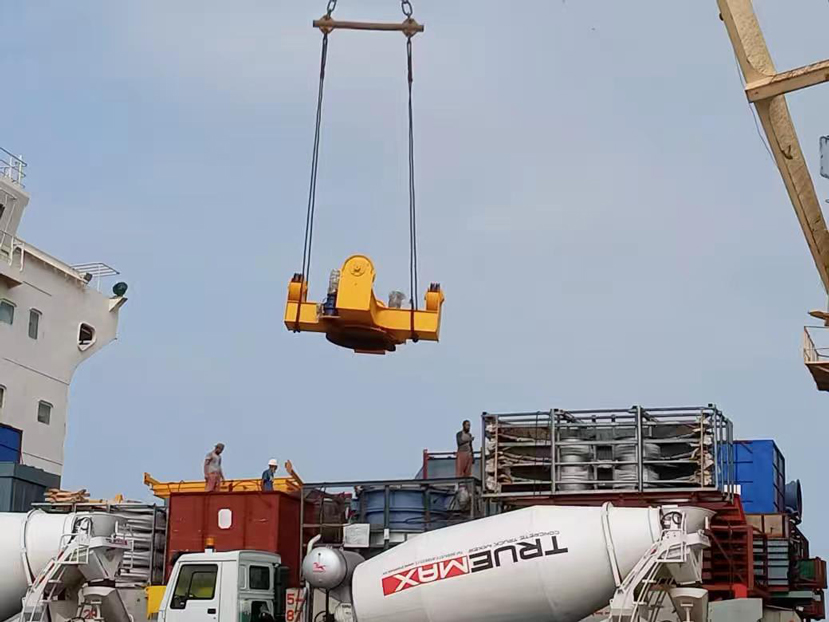
I manage the company’s largest account, UNITED NATIONS, by overseeing the daily operations of multiple shipments and ensuring smooth coordination across the supply chain. I am responsible for monitoring shipment execution, resolving operational issues, and maintaining service quality and efficiency. In addition, I actively participate in various tenders by preparing operational and commercial inputs, coordinating with internal teams, and supporting the development of competitive proposals to secure new business opportunities.
ITO has offices in Tunisia, Senegal, Mali, Niger, Benin, Cameroun, Kenya, Tanzania, Rwanda, and Uganda. Also, we can connect other countries via our offices like Burkina Faso, Tchad, CAR, DRC, Zambia, South Sudan.
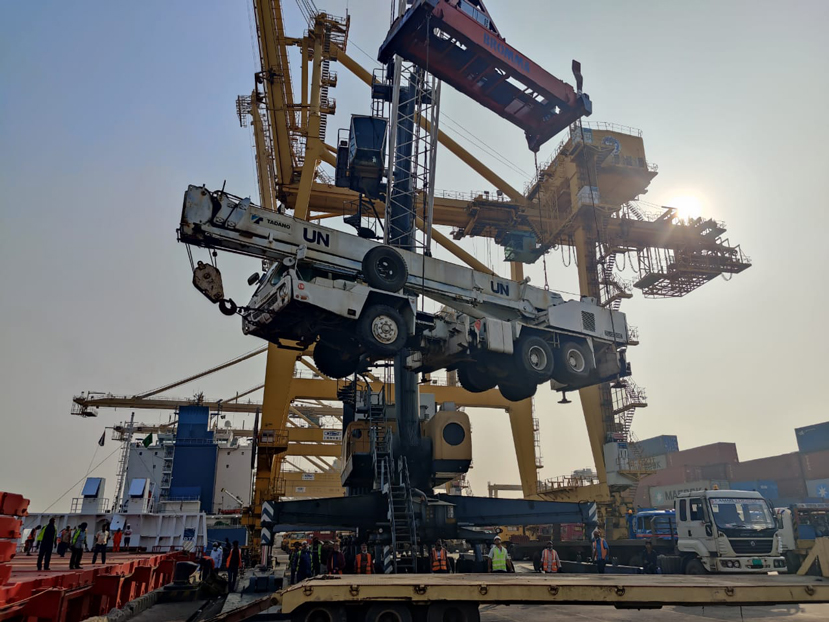
Deliveries to Africa may often involve complex solutions, I believe. Can you tell our readers a bit about some of the projects & deliveries you have handled? Perhaps you could provide a few pictures of some of the most complex ones?
The last mile delivery in Africa is a bit complex, especially when we talk about the bad infrastructure and the security threats. However, we have gained s lot of experience and knowhow in delivery to some difficult areas like South Sudan, Central Africa Republic, and DRC, etc.
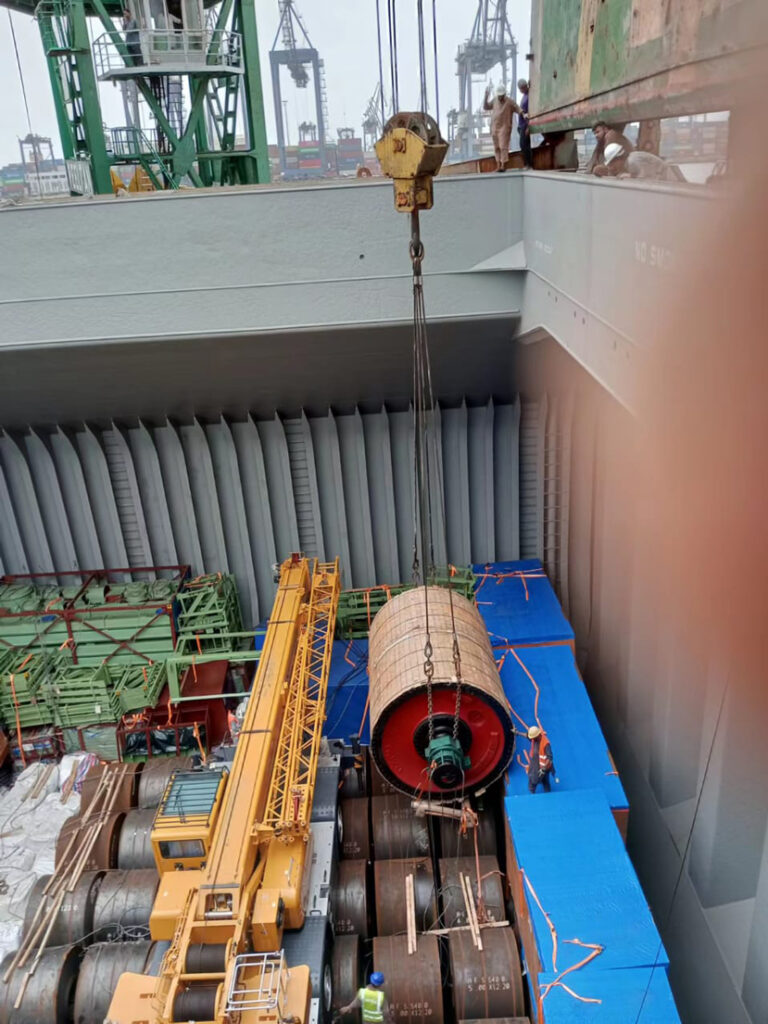
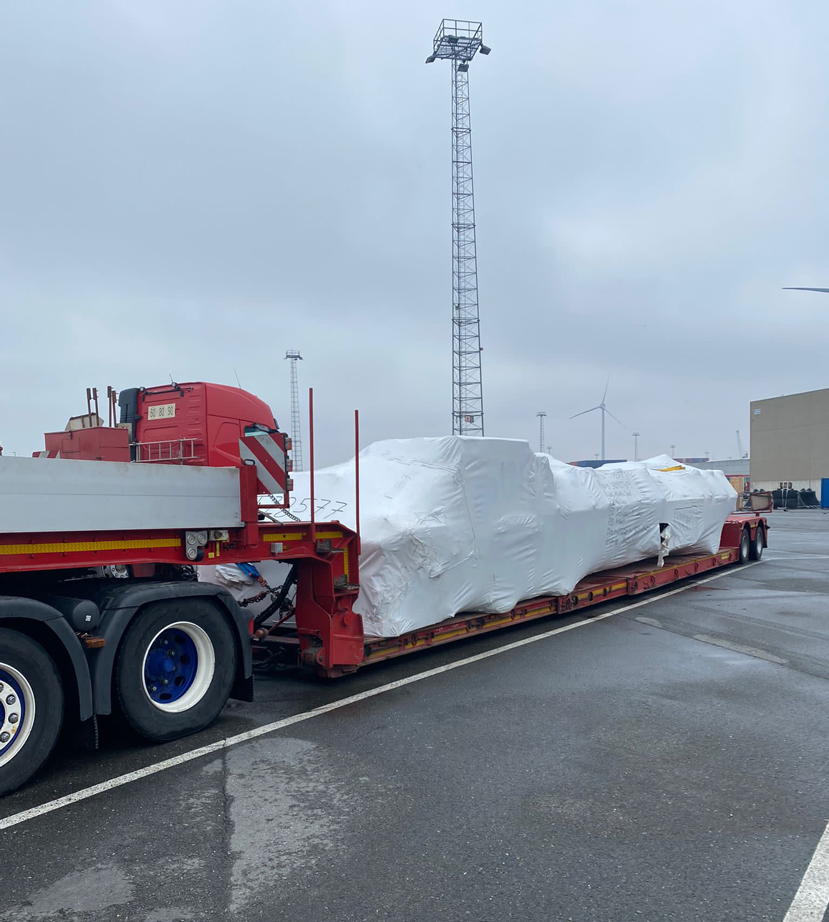
We successfully execute complex projects across Africa by combining detailed engineering studies, careful route selection, and the deployment of the most suitable specialized equipment for each operation. Our approach includes analyzing infrastructure conditions, transport constraints, and seasonal factors such as the rainy season, during which certain roads can become inaccessible or unsafe. By selecting the optimal delivery period, preparing contingency plans, and leveraging strong local expertise, we ensure safe, efficient, and reliable project execution even in the most challenging environments.
In certain regions, security conditions can also represent a major operational challenge. Through years of experience across the continent, we have developed strong risk management procedures based on local intelligence, continuous monitoring, and close coordination with authorities and local partners. When necessary, we organize security escorts, implement strict movement protocols, and redesign transport routes to avoid sensitive or high-risk areas, ensuring both personnel safety and cargo integrity throughout the project.
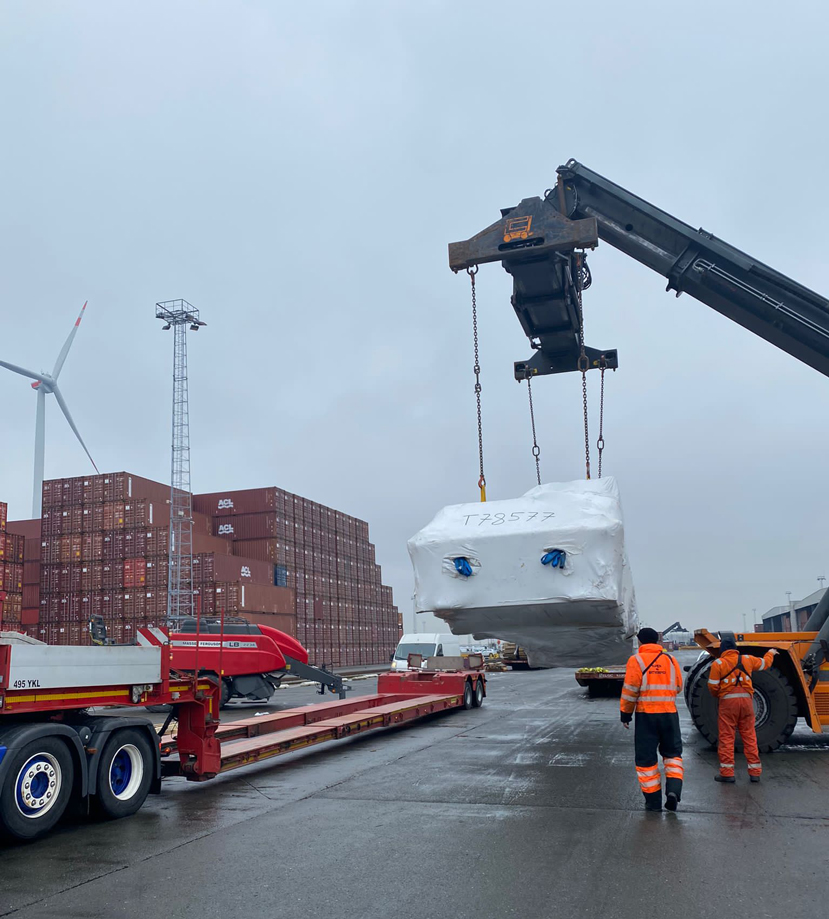
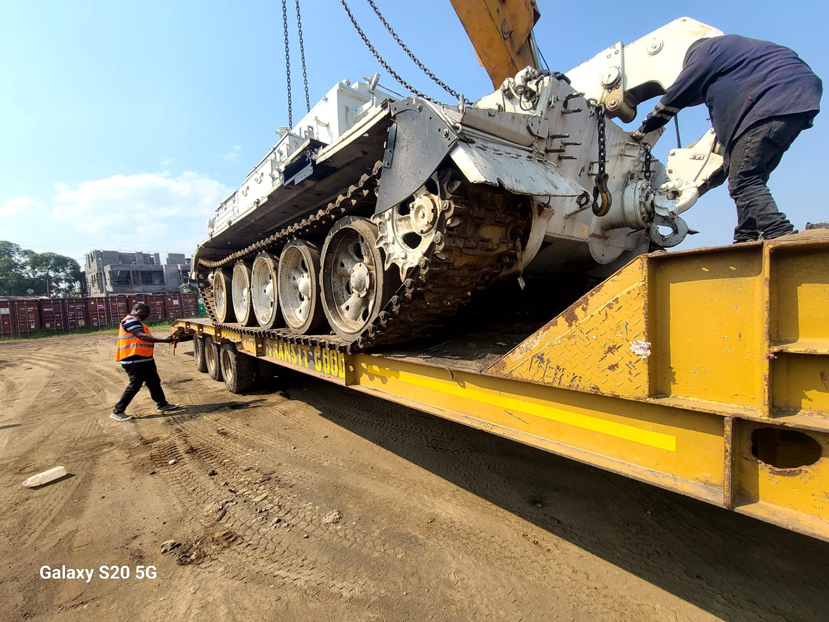
One of the key projects we successfully executed was the transportation of Contingent Owned Equipment (COE), including IMO Class 1 cargo, to Ndélé in the Central African Republic. Due to the extremely challenging operational environment, the project required the use of specialized 8×8 trucks capable of navigating difficult off-road conditions, as well as the deployment of a 40-ton crane at destination for the safe offloading of the units. Reaching Ndélé was particularly complex, as the route crossed remote forest areas with severely degraded road conditions, especially during adverse weather periods. In addition, the region presented significant security risks throughout the journey, requiring the organization of military escorts for the entire convoy to ensure the safety of personnel, equipment, and cargo during the operation.
There are quite a few forwarders nowadays that have a division for overseas aid focusing on government and company grants to deliver particularly to Africa. What makes you stand out and what are your advantages?
What differentiates us from other freight forwarders is our strong operational presence across Africa through our own offices and highly experienced teams who have successfully managed thousands of deliveries, including some of the continent’s most complex logistics operations. Our in-depth local knowledge, combined with years of hands-on field experience, allows us to anticipate challenges and provide practical, reliable solutions in demanding environments. In addition, owning and operating our own assets — including specialized trucks, handling equipment, and material handling equipment (MHE) — gives us greater flexibility, responsiveness, and operational control. This enables us to efficiently execute complex deliveries, adapt quickly to changing conditions, and maintain high standards of safety and reliability throughout every stage of the project.
Some shipping lines now compete head on with the freight forwarders. Is it the same situation in Germany and where are your markets? What is your opinion of the customer service that is provided?
Unlike large shipping lines, whose structures are often rigid and driven by complex internal decision-making processes, we provide a far more flexible and responsive approach to project logistics. Clients frequently face difficulties obtaining quick operational support or customized solutions from shipping lines due to their limited flexibility and centralized procedures. In contrast, our organization maintains direct control over the entire delivery chain through our own offices, experienced operational teams, and dedicated assets. This allows us to react quickly to changing project requirements, make faster decisions, and provide tailored solutions with a higher level of service, visibility, and quality. Our hands-on approach ensures that clients benefit from greater operational reliability, closer communication, and more efficient execution, especially for complex
or time-sensitive deliveries across Africa.
How has this year been treating you so far? If you look into your crystal ball, what do you see for the remainder of the year?
The year was particularly challenging due to significant fluctuations in freight rates and the overall instability of the market. Rapid changes in global supply chain conditions, operational costs, and transport capacity created an unpredictable environment that required constant adaptation and careful planning. In addition, the reduction of U.S. aid budgets and related funding restrictions had a significant impact on the humanitarian and institutional sectors, considerably reducing the volume of available business across several regions.
Despite the challenges faced during the year, I remain optimistic about the outlook for the remaining months. While market conditions have been difficult, with freight rate fluctuations and reduced business volumes impacting the industry, I believe the situation has now reached a level where further deterioration is unlikely. With markets progressively stabilizing and companies adapting to the new environment, I am confident that opportunities will continue to emerge and that the second part of the year will bring improved visibility and stronger operational momentum.
How is it best for our readers to get in touch with you?
By email: Mourad.mabrouk@ito-logistics.com and whatsapp +49 1708490751 or +216 22 110166