
Interview with
Mr. Kasra Ferasat
Managing Director

What kind of freight forwarder is SHIPIT? Are you all-round or do you specialise in certain segments?
We are a fully licensed Ocean and Air Freight Forwarder and Property Broker for US Trucking and Rail services. For Ocean Cargo, we are an FMC Licensed NVOCC and Ocean Freight Forwarder. For Air Cargo, we are an IATA licensed Air Cargo agent and TSA licensed Indirect Air Carrier (IAC).
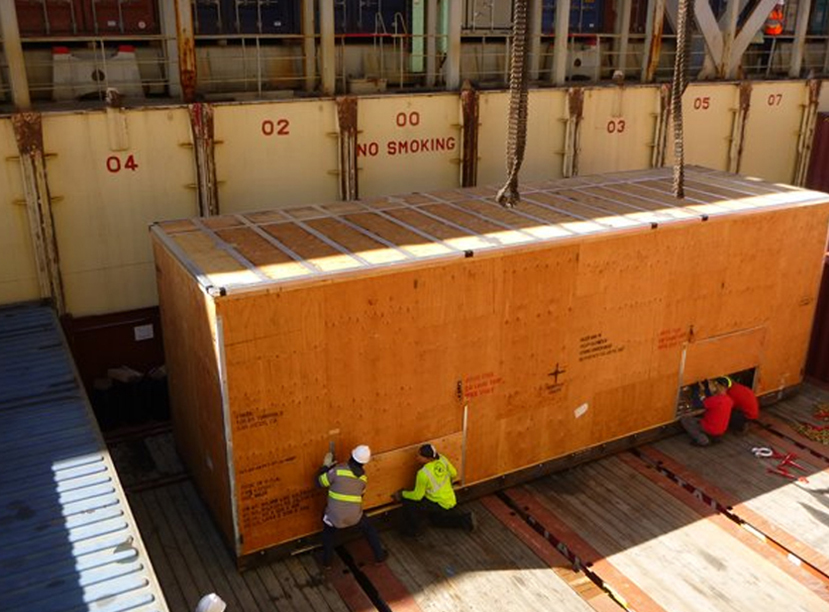
We are generalists with a few niche forwarding services. Due to our location in Los Angeles, there is a lot of cargo that transits through Los Angeles that requires transloading and/or consolidation/deconsolidation. We operate a 105,000 sq ft warehouse in Los Angeles for warehousing and storage services. We receive containers, flatracks and breakbulk cargo for storage and transloading at our facility.
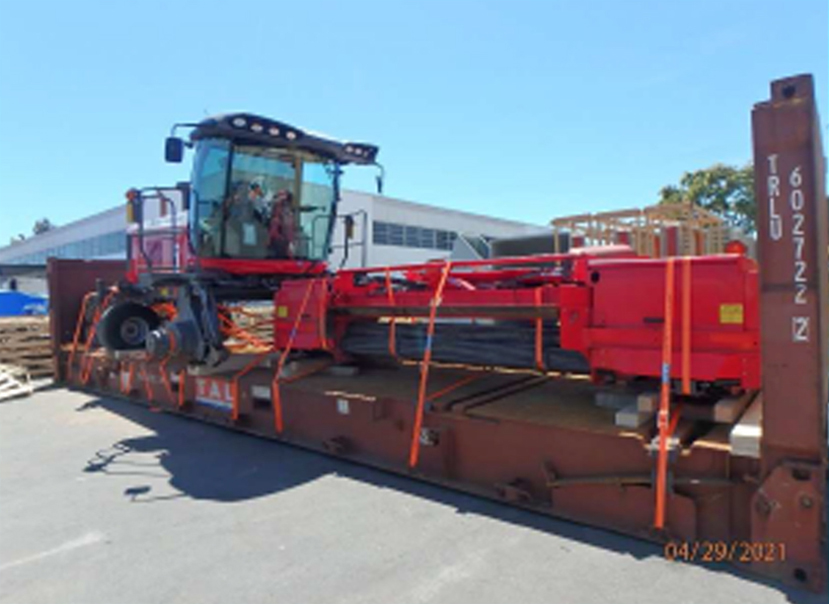
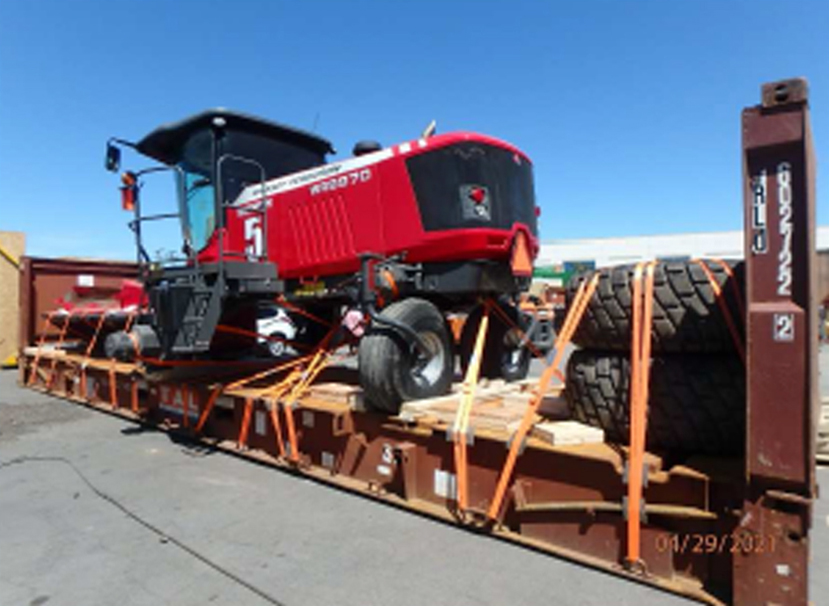
One of our niche markets is vehicle and heavy machinery exports, specifically to Africa and less so to the Middle East and Europe, with most of the volume into West African countries. There are some nuances when it comes to documentation and shipment processing for automobiles, including EVs that we are experienced in. We containerize vehicles and also handle RORO.
Buyer’s Consolidations are another niche we handle, specifically for exports from the US. Since we operate our own warehouse, our customers like the fact that they can ship us cargo over a set period of weeks and have us consolidate and ship out as LCL/FCL/Air utilizing our buyer’s consolidation services.
We offer a fortnightly direct LCL Groupage service from Long Beach to Papeete, Tahiti.
We also handle agricultural commodities such as seeds, hay and other related commodities for export.
Are you currently a member of any international transportation networks?
We are members of CLC Projects and WCA. Aside from that, we are members of US based associations including the Agriculture Transportation Coalition (AgTrans), Foreign Trade Association (FTA), Los Angeles Air Cargo Association (LAACA), Los Angeles Customs Brokers and Freight Forwarders Association (LACBFFA), and National Customs Brokers and Forwarders Association of America (NCBFAA).
Some shipping lines nowadays have their own freight forwarding division. What is your view on this? Do you find them serious competitors? Also, the customer service of many lines have come under scrutiny. What is your experience?
For most of the niche markets we operate in, I am not concerned. There are so many minute details in such services and shipments that ocean carriers do not have the capacity or willingness to handle, except for standard vehicle shipments. We know ocean carriers have contracts with major OEMs and containerize them using their 3PL divisions, but they don’t get involved in the used vehicle markets.
Regarding customer service, that is an area of the lines that has gotten worse over time as they have focused on automation and also taking business from their NVO/FF customers. There are some carriers in the US that still offer personalized communication without a group email that has a different person responding to each email, and that is a result of giving such carriers more volume as well.
I believe that the lines, just like most other industries are looking to generative AI as a way to automate some processes, but as we know, some problems that arise cannot be resolved with an automated attendant, such as a terminal glitch that is preventing you from in-gating your flatrack that has a cutoff in 8 hours! Even with all of the technology available to the lines, it’s amazing how they still make mistakes on draft BLs even though we submit the information electronically via a service such as INTTRA.
I believe that some shipping lines overwhelm their customer service and documentation teams by not having efficient processes for customer communication, documentation processing and general email management that leads to an excessive amount of emails for their employees and leads drowning, which leads to poor customer service. I have spoken to shipping lines about this and it’s a real problem. They need to invest more in enhancing their CSR/Docs teams as opposed to “pure automation.”
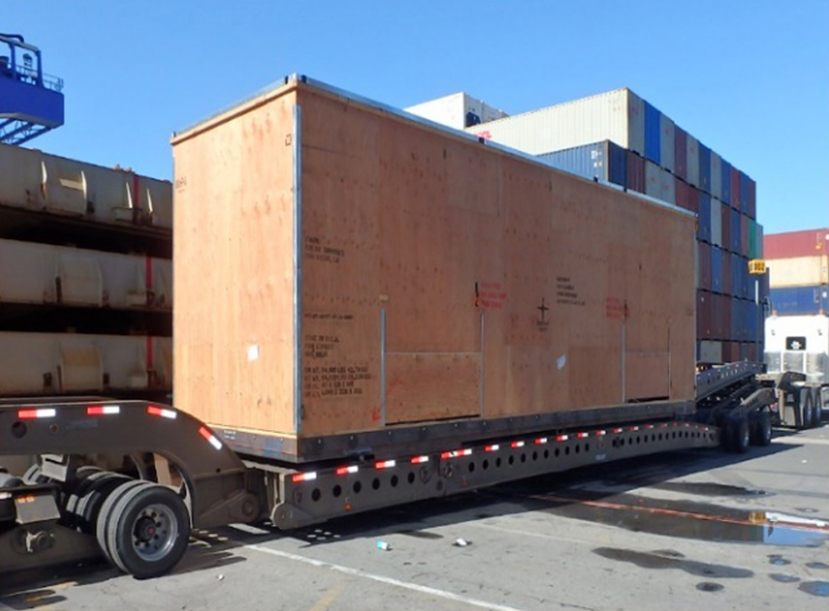
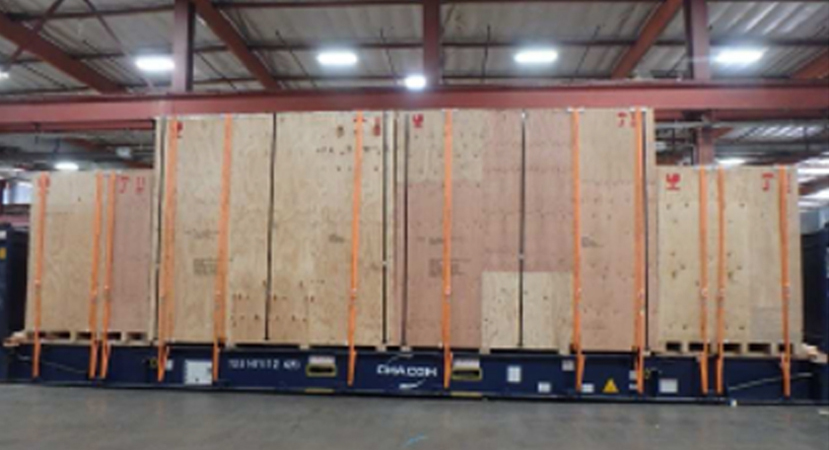
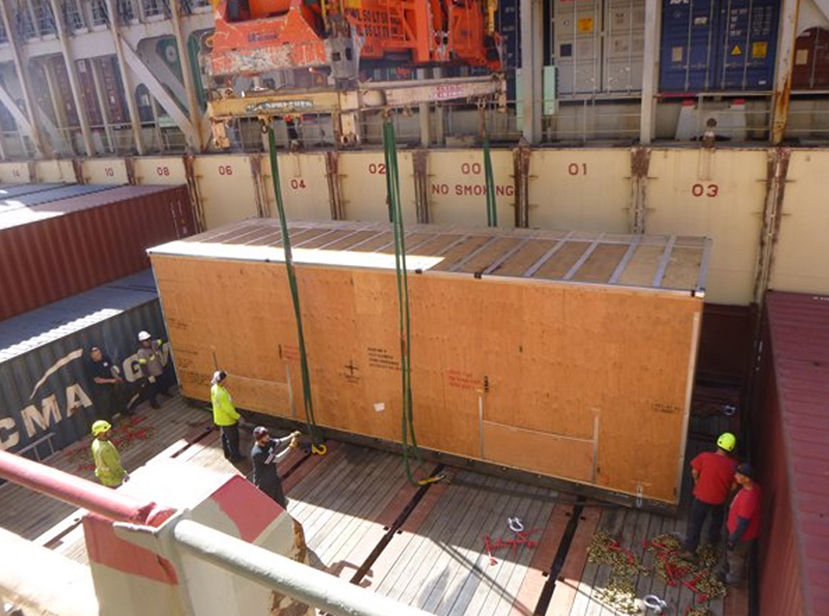
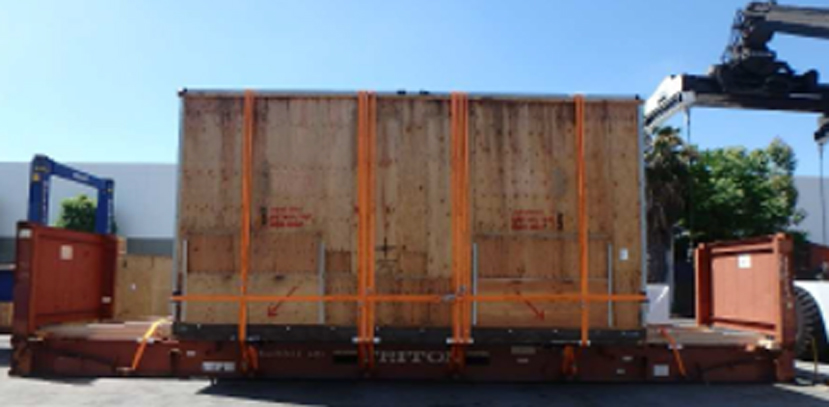
Could you elaborate for our readers a little about some of the projects or special shipments that you have handled?
Some of the cargo and projects we have handled in our own warehouse can be found on this page: https://www.shipit.com/transloading-warehouse
How is the market treating you currently, and what do you do to stand out among your competitors? Why should overseas clients, for example, entrust SHIPIT with their deliveries?
The logistics market is highly dynamic right now—there’s strong demand driven by global e-commerce growth, but also ongoing challenges like fluctuating freight rates, port congestion, capacity constraints, and rising customer expectations for speed and transparency.
At SHIPIT, we see these challenges as opportunities. Instead of reacting to market pressure, we stay proactive by:
- Diversifying carrier networks to maintain reliability
- Leveraging technology for real-time tracking and performance insights
- Maintaining flexible solutions that adapt quickly to changing supply chain conditions
This approach allows us to remain resilient while continuing to deliver consistent service quality for our clients.
What truly differentiates SHIPIT is our client-first philosophy combined with operational precision:
- End-to-end visibility: Clients aren’t left guessing—we provide clear, real-time updates across the shipping journey, in the way the customer wants: email, spreadsheets, or online tracking tools.
- Tailored logistics solutions: We don’t believe in “one-size-fits-all.” Every client receives a customized shipping strategy aligned with their business goals.
- Strong partner network: We’ve built relationships with reliable carriers, agents, and hubs worldwide over 40 years.
- Speed & responsiveness: Our team is nimble, solutions-oriented, and quick to act when challenges arise.
In a market where many providers focus on volume, we focus on precision, reliability, and accountability.
For international clients, trust is everything—and that’s exactly what we prioritize.
- Consistent, dependable delivery
- Clear communication
- Quick problem-solving when issues arise
- Partnership approach—we act as an extension of our clients’ team
The US is a huge country. As I recall, you can burn your fingers doing inland in the US. Are you able to assist with inland transport in the US? Would you have any good advice BEFORE consigning the shipment to the US (if the destination is inland)?
Yes, we handle inland transport across the US, whether it’s LTL, FTL, Container Drayage, Flatbed, Specialized Trailers for OOG cargo, or Sprinter Vans. Any forwarder using a US forwarder for inland transport must understand all the charges involved prior to handing over a shipment and be able to communicate those “subject to” charges to their customer. There are many issues that can arise in US inland transportation, especially in drayage; such as the following:
- Delays in clearing customs that leads to demurrage.
- No appointment return times for empties that leads to container yard storage fees plus additional chassis fees and per diem fees (the per diem/detention fees must be disputed with the lines).
- For US imports, the consignee may not be ready to receive the cargo, which can lead to additional yard storage charges or the need to devan the cargo, store it, and wait until they are ready to receive it.
- For US Exports, the shipper may mis-declare the weight which can lead to stop-off, weigh scale and/or dry run charges.
- The cargo may have been quoted as standard truckload, but now the consignee (for an import) requires the cargo faster, which requires team drivers (2 drivers driving non-stop to meet the deadline).
Looking into your crystal ball, what do you see for the rest of this year?
I see continued growth in certain sectors such as AI infrastructure buildout which includes all sorts of building materials, semiconductor and advanced manufacturing, mining, and the electrification buildout which includes traditional energy, nuclear power and solar. I think the coming stagflationary economy will slow growth in many parts of the economy, while the industries with government support and strong company financials such as the AI buildout will do well.
How is it best for our readers to get in touch with you?
They can contact me via email at kasra@shipit.com or telephone on +1 310 523 2300 Ext 192
Here is a link to our blog which is informative to shippers and forwarders shipping to/from the USA: https://www.shipit.com/blog There are posts about things like AES/ISF filing (customs matters), as well as how logistics works in the US in different verticals.