
Interview with
Ms. Rosangela Diaz Malave
Co-Owner & Commercial Director

Rosy, please tell our readers the history of Nakama and why you have chosen this name?
I love telling this story because Nakama Worldwide Solutions was born from a shared desire. Julio and I felt that we had to do things differently: to provide service with passion, genuine commitment, and a truly tailored approach.
Julio and I first met in 2010, when we were working together, and from that moment, a strong friendship began. Over the years, that friendship has only grown stronger. Today, I can honestly say that we are like brother and sister, connected not only by our professional journey, but also by the trust, respect, and friendship we have built along the way.
That is why we chose the name Nakama WWS.
Nakama is a Japanese word that describes a trusted companion, a close ally, someone who is part of your team and stands beside you, a friend who can be closer than family. That meaning perfectly reflects the company we wanted to build and the way we believe business should be done. We chose this name to honor not only our friendship, but also the commitment we have to our team, our customers, our partners, and everyone who becomes part of the Nakama family around the world. For us, Nakama is more than a name. It is a promise to be there, to care, to find solutions, and to stand by our clients and partners every step of the way. That is the spirit behind Nakama and, ultimately, behind our philosophy: #yourlogisticsbestfriend.
How many people are working at Nakama, and where do you have your main office(s) in Panama?
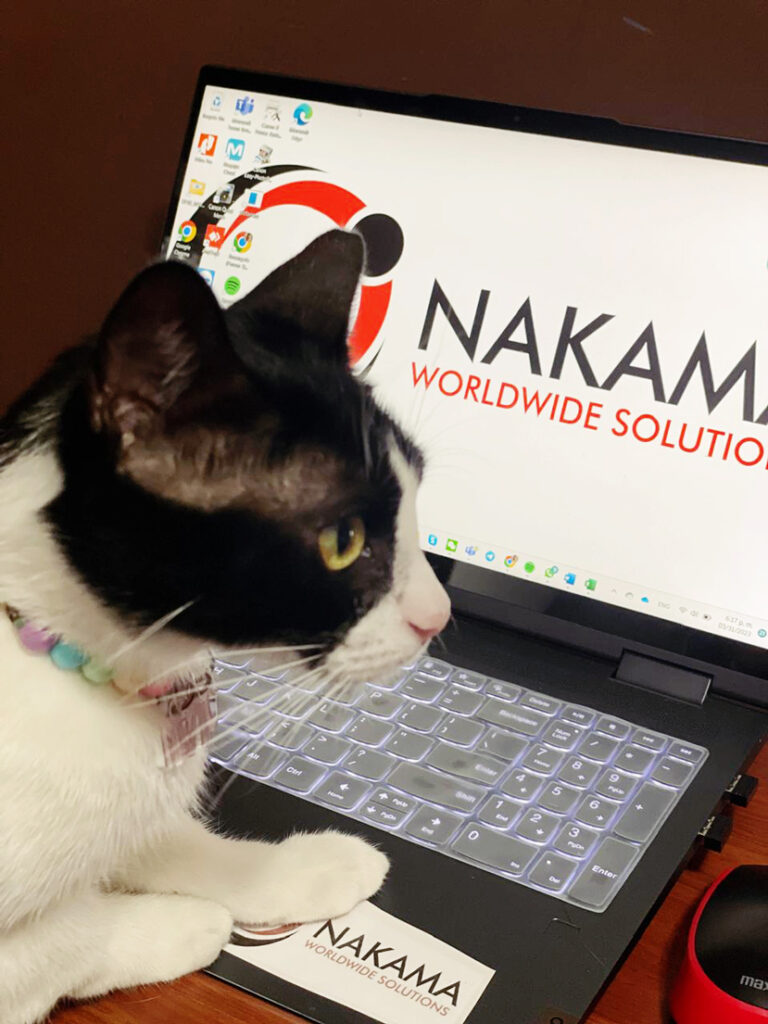
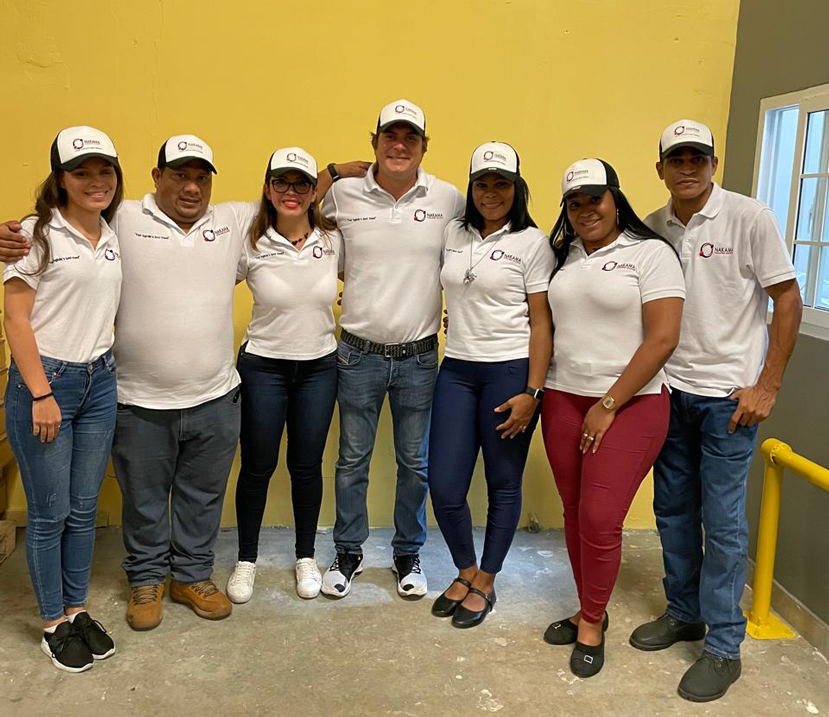
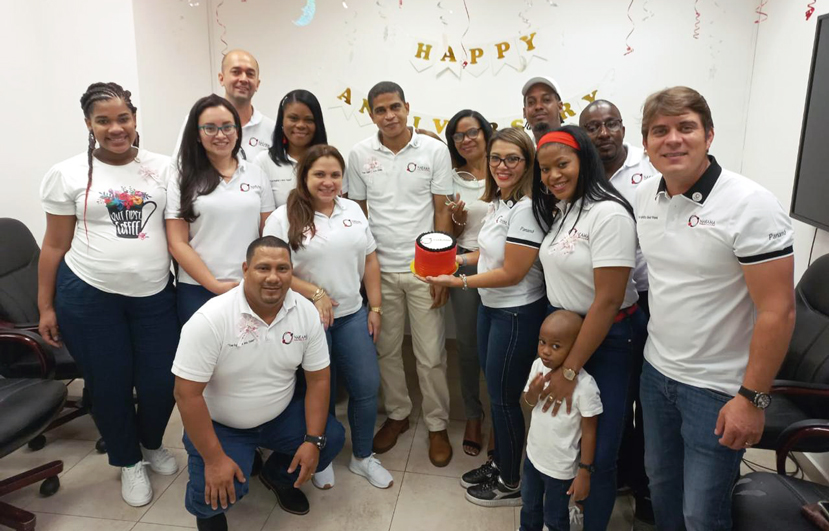
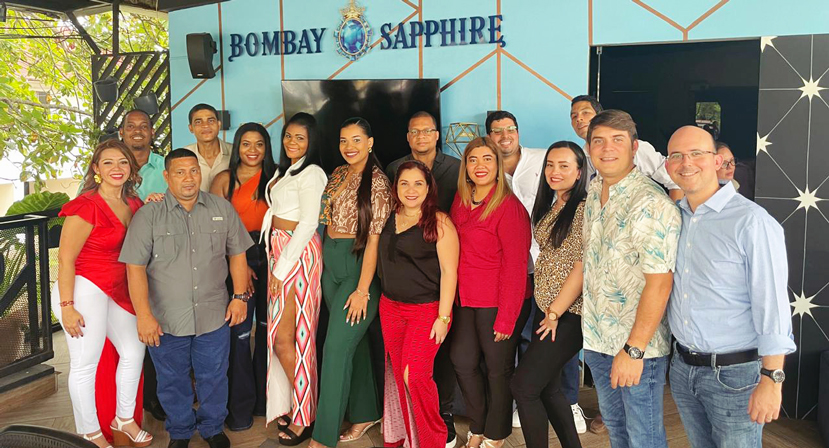
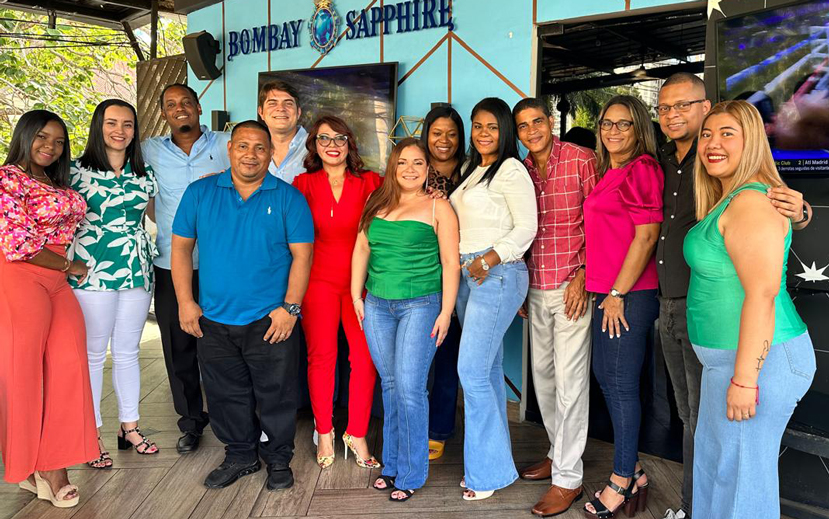
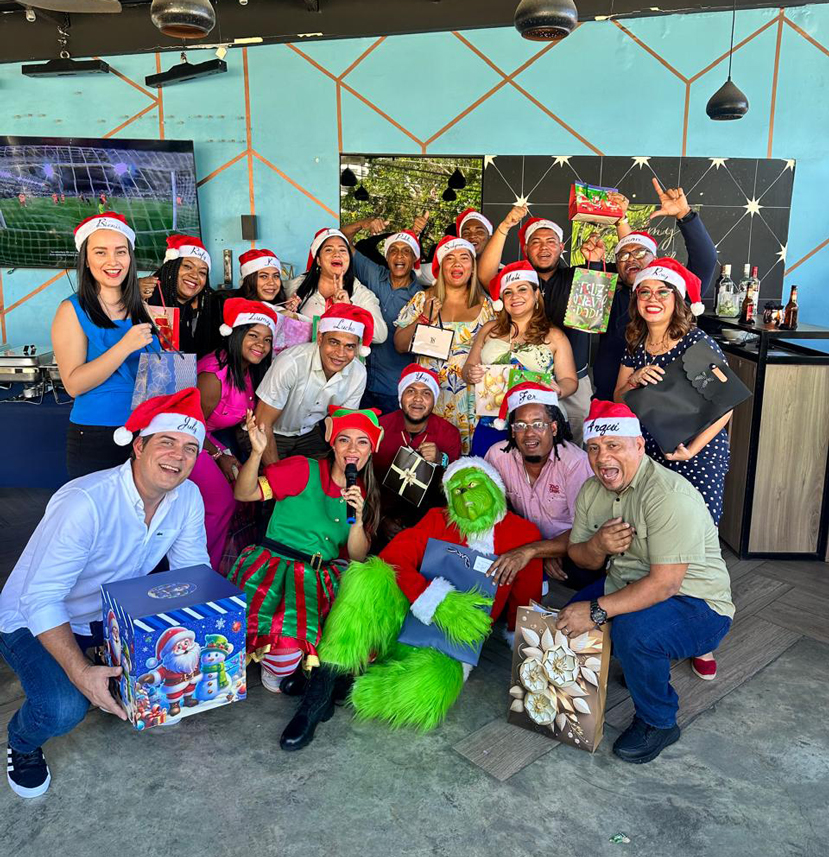
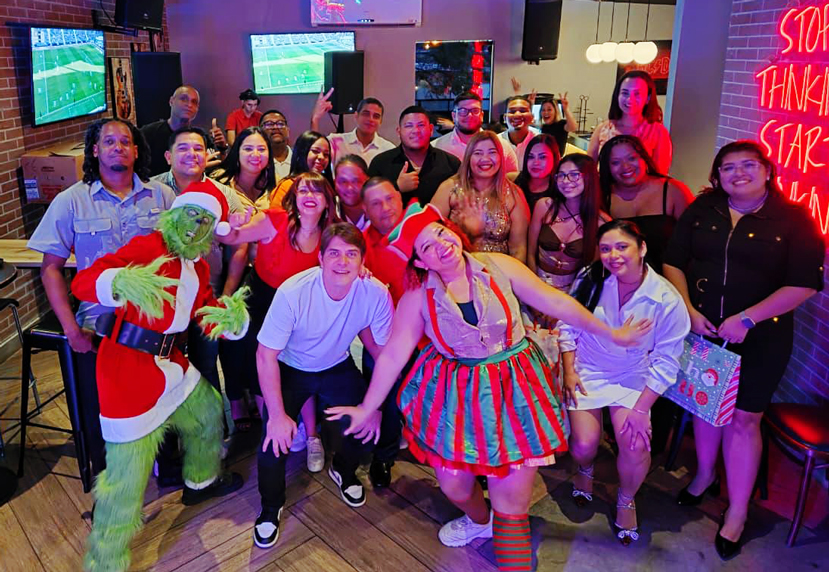
Today, Nakama has a team of 25 professionals, all bringing their own experience, talent, and passion to what we do. For Julio and me, our people are at the heart of Nakama. We truly believe that great logistics starts with a great team.
Our headquarters and main operational facility are located at France Field, 1A Ave, Warehouse #51-52, Block #2, Colon Free Zone, Panama. This is where we have our warehouse and logistics operations. Being in Colon gives us a strategic position at the heart of Panama’s logistics and trade ecosystem, with close access to the country’s ports and the Panama Canal.
We also have our commercial office at Costa del Este, PH Capital Plaza, 9th Floor, Office #905, Panama City, which allows us to remain close to our customers, partners, and the business community. Having a presence in both Colon (Atlantic side) and Panama City (Pacific side) gives us the opportunity to combine strong operational capabilities with close, personalized relationships with our customers. At the end of the day, wherever we are, our philosophy remains the same: we want our clients to feel that we are part of their team, not simply their logistics provider.
Panama is world famous for the Panama Canal. Our readers may like to know what kind of shipping & logistics takes place in Panama, and what countries are the main trading partners?
I always say that Panama is much more than the Panama Canal. The Canal is certainly the backbone of our maritime connectivity, but around it we have developed a very sophisticated logistics and trade ecosystem that connects Asia, the Americas, Europe, and the Caribbean.
The country serves as a major hub for container shipping, transshipment, bulk cargo, liquid and gas carriers, RoRo and vehicle logistics, refrigerated cargo, general cargo, and project and breakbulk cargo. In addition, Panama offers warehousing, distribution, freight forwarding, customs services, value-added logistics, and international trade through platforms such as the Colón Free Zone.
Statistically speaking, the Panama Canal itself handled 13,404 vessel transits and 489.1 million CP/SUAB tons in fiscal year 2025, reflecting the importance of the waterway to global trade. Container vessels remain one of the largest segments, while LPG, LNG, dry bulk, tankers, vehicle carriers, and other specialized vessels also play an important role.
What makes Panama particularly unique is its geographic position. We are a natural bridge between two oceans and between major markets. The Canal connects 180 maritime routes, 1,920 ports, and 170 countries, making Panama an important platform for international trade and distribution.
When we talk about Panama’s main trading partners, the picture is also very international. The USA is one of our most important commercial partners, both in terms of Canal traffic and trade. China and other Asian markets are also extremely important, particularly because of the strong flow of manufactured goods moving through Panama. In 2024, the USA was Panama’s largest export destination, followed by the Netherlands, Taiwan, India, the Colon Free Zone, Mexico, Costa Rica, and China, among others.
From my perspective, this is what makes Panama so fascinating: we are not simply a country where ships pass through. We are a logistics platform where cargo can be received, stored, consolidated, transformed, redistributed, and connected to markets across the region. And that is precisely why I believe Panama still has enormous potential to evolve from being a world-class transit hub into an even stronger regional logistics and nearshoring hub.
There are many logistics companies in Panama and thus a lot of competition. What are your advantages in Nakama?
There are many logistics companies in Panama, but in Nakama, we don’t really see them as competitors. We see them as colleagues, each with different strengths, expertise, and capabilities.
The logistics industry is too broad and complex for any one company to do everything. Each of us brings something different to the table, and when we collaborate, we make Panama stronger as a logistics platform. I truly believe that together, we are building the Hub of the Americas.
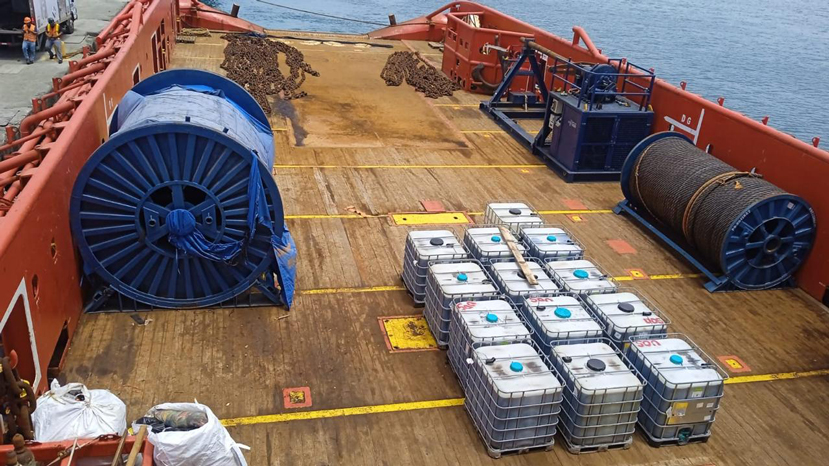
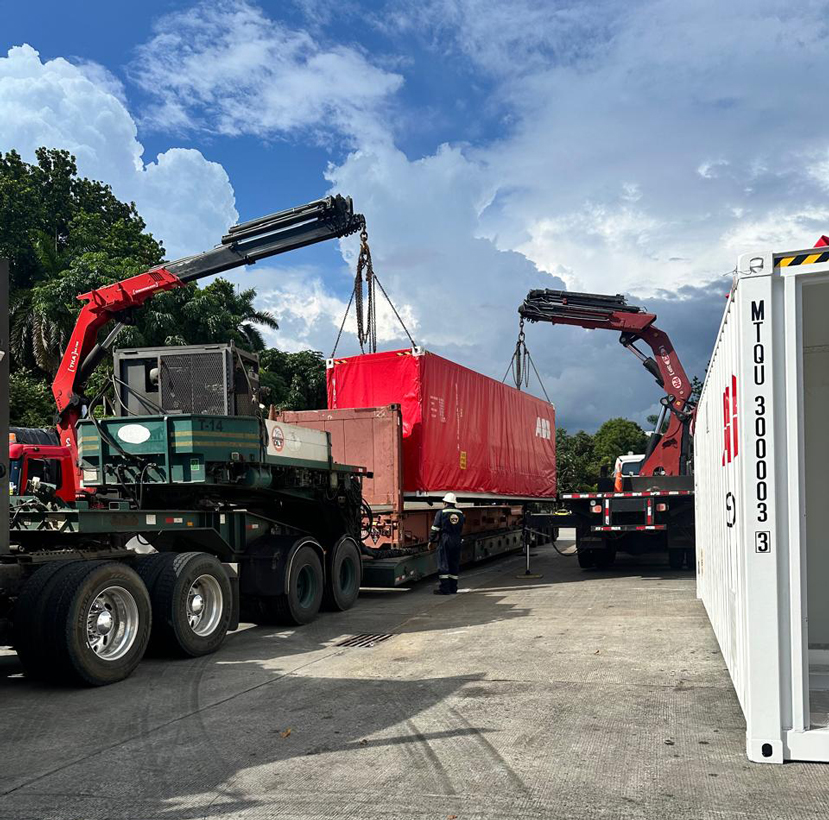
At Nakama, our strength is our ability to provide tailor-made solutions, particularly in project logistics, breakbulk, oversized cargo, freight forwarding, warehousing, and nearshoring. But we also recognize that other companies may have different strengths, and we believe in working together when that creates the best solution for the customer.
Of course, we all want to grow our businesses, but I believe that healthy competition and collaboration can coexist. When the logistics community works together, we create more opportunities, attract more business to Panama, and strengthen the entire ecosystem. For us, success is not about being bigger than someone else. It is about knowing who we are, what we do best, and the value we bring to every relationship.
We don’t want to be the biggest. We want to be the one our customers remember, recommend, and trust. At the end of the day, Panama wins when the logistics industry wins as a whole: different companies, different strengths, one powerful logistics hub connecting the Americas to the world.
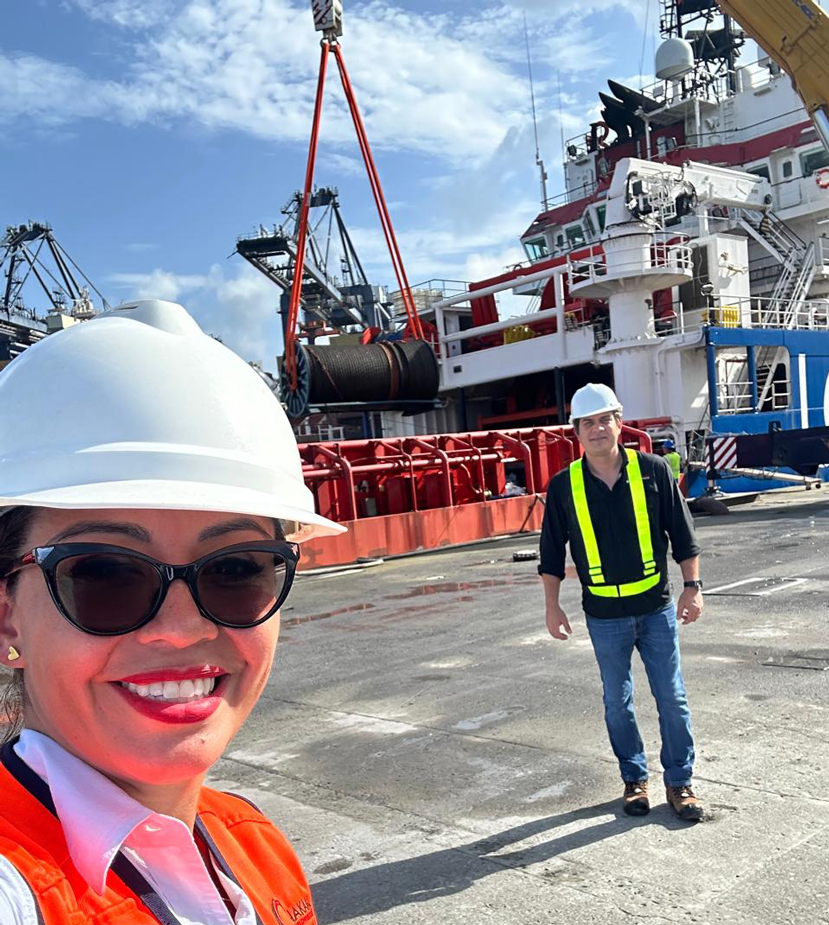
What is your opinion on the customer service of the shipping lines nowadays? Some like to act as freight forwarders, and some simply provide a lousy service to their customers. What is the situation in Panama?
I think customer service in the shipping industry has changed significantly over the years, and Panama is no exception. Shipping lines today are operating in a much more complex environment, with congestion, equipment availability, geopolitical events, schedule disruptions, capacity constraints, and constantly changing market conditions. I understand that these challenges are not always within their control. However, what is within their control is how they communicate and how they support their customers when things go wrong.
One of the biggest changes I have seen is that some shipping lines are increasingly moving into areas that traditionally belonged to freight forwarders, offering more end-to-end solutions directly to shippers. I don’t necessarily see that as a bad thing. The market is evolving, and every company has the right to develop its business model… The real issue, in my opinion, is service and transparency.
When a shipping line provides excellent service, communicates proactively, and understands the customer’s business, it creates tremendous value. But when communication becomes difficult, responses are slow, or customers are left without clear information when a problem arises, that is where the relationship suffers.
In Panama, we are fortunate to work with many shipping lines and professionals who provide excellent service and with whom we have built strong, long-term relationships. At the same time, like any market, there is always room for improvement.
I also believe it is important to remember that shipping lines and freight forwarders bring different strengths to the supply chain. Shipping lines own and operate the vessels and the physical assets that make global maritime transportation possible. Freight forwarders, on the other hand, bring the knowledge, the network, the relationships, and the expertise to orchestrate the logistics across the entire supply chain.
We understand the cargo, the markets, the routes, the documentation, the customs requirements, the inland transportation, the warehouses, the risks, and, most importantly, the customer’s business. Our value is in connecting all those pieces and turning a complex supply chain into a seamless logistics solution.
That is why I don’t see the future as shipping lines versus freight forwarders. I see it as collaboration between complementary strengths. The shipping line has the vessel; the freight forwarder has the expertise to make the entire journey work efficiently around it.
As freight forwarders, our job is not simply to book space and move cargo. We are often the bridge between the shipping line and the customer. We translate complexity into solutions, anticipate problems, and help our customers navigate situations that can otherwise become very stressful. Ultimately, I believe the future of logistics is about collaboration, transparency, and a genuine customer-first mentality. We all serve the same supply chain, and when we combine our strengths, everybody wins.
And this is something we strongly believe in at Nakama: the customer should never feel that they are dealing with a system. They should feel that they are dealing with people who understand their business and genuinely care about making it work.
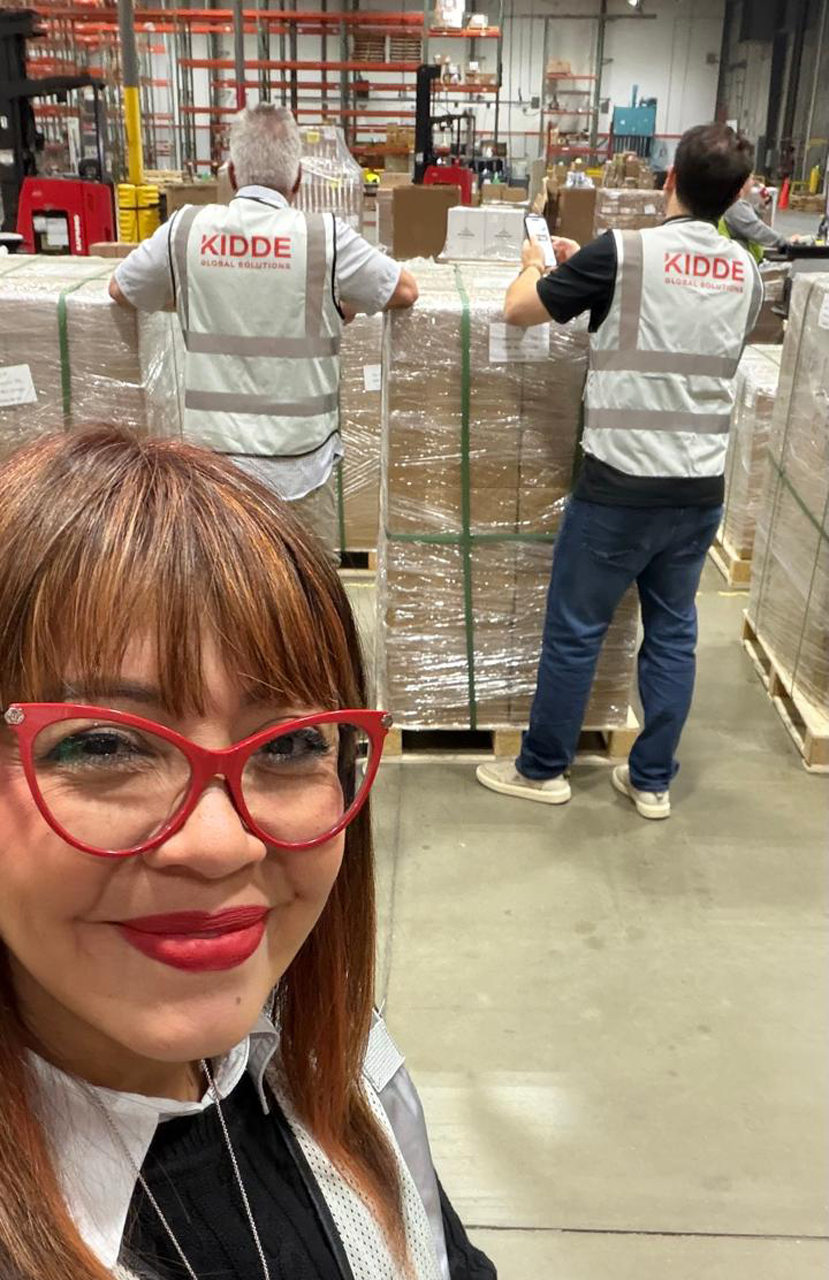
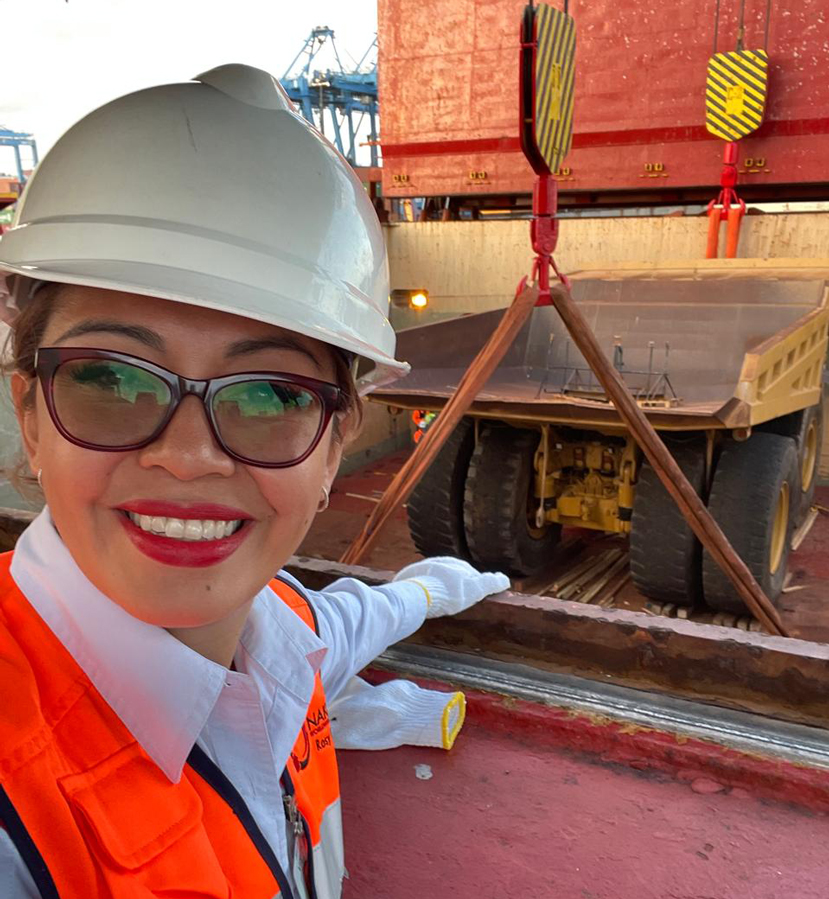
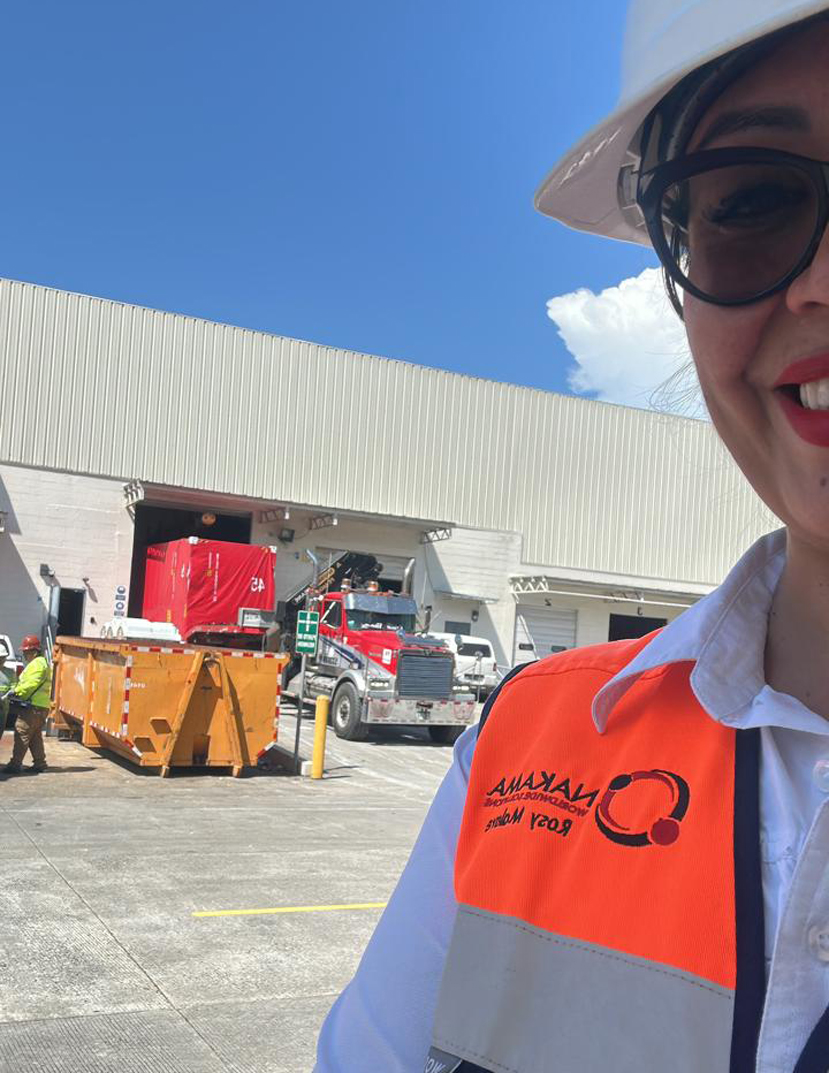
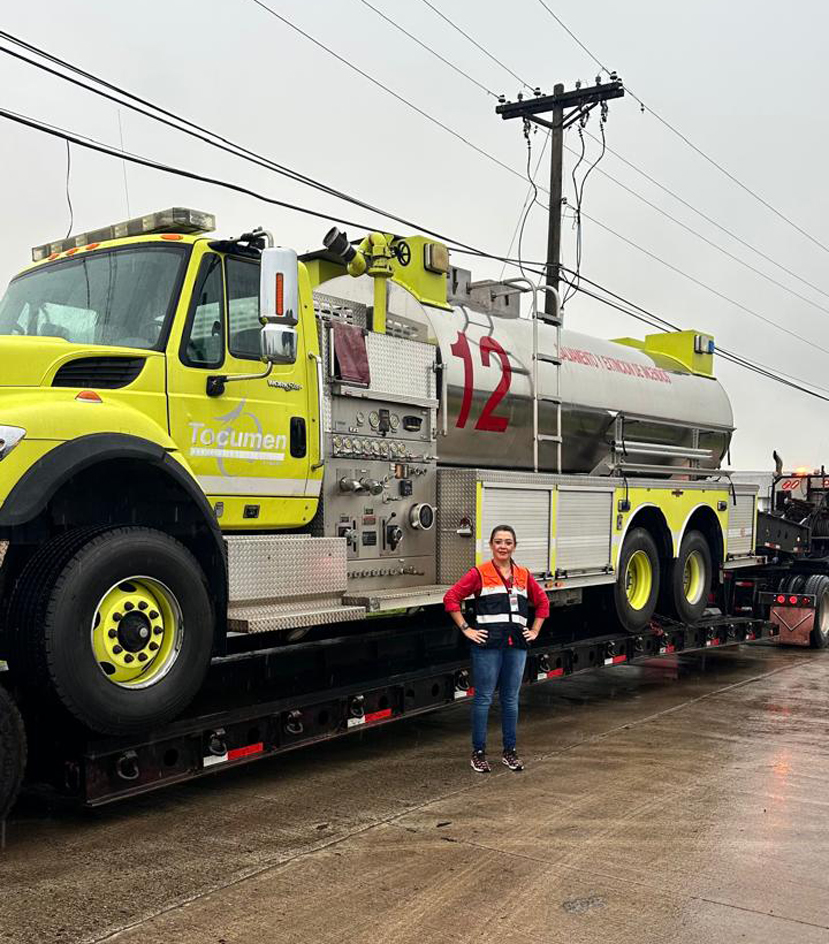
Has the market been good for you this year, and how do you view the coming year of 2027 if you look into your crystal ball?
2026 has been a very positive year for us. It has been a year of growth, new opportunities, new customers, and, most importantly, strengthening the relationships we have built with our customers and partners around the world.
The market has not been without challenges, of course. Global trade continues to face uncertainty, geopolitical changes, shifting trade routes, and pressure on costs and transit times. But I have always believed that uncertainty creates opportunities for those who are prepared to adapt.
If you ask me to look into my crystal ball for 2027, I see a year of opportunity, but also a year that will require agility. Panama’s fundamentals remain very strong. We have the Canal, world-class ports, the Colón Free Zone, an international airport, connectivity between two oceans, and an increasingly sophisticated logistics ecosystem. The World Bank continues to see logistics and Canal-related transportation as important drivers of Panama’s medium-term growth.
But I believe the biggest opportunity for Panama is to go beyond being a transit point. We need to continue developing Panama as a true regional logistics, distribution, and nearshoring hub, a place where cargo doesn’t simply pass through, but where companies can store, consolidate, transform, distribute, and manage their supply chains for the Americas.
For Nakama, that is exactly where we want to be. We see opportunities particularly in project logistics, breakbulk, specialized cargo, warehousing, distribution, and nearshoring, while continuing to develop our international network and partnerships.
And if I could make one prediction for 2027, it would be this:
The companies that will win will not necessarily be the biggest ones. They will be the ones that can adapt faster, understand their customers better, collaborate with the right partners, and turn challenges into solutions. That is the kind of company we want Nakama to be. So yes, my crystal ball is optimistic, but it is also realistic. I see 2027 as a year to grow, to innovate, and to continue proving that Panama can truly be the Hub of the Americas.
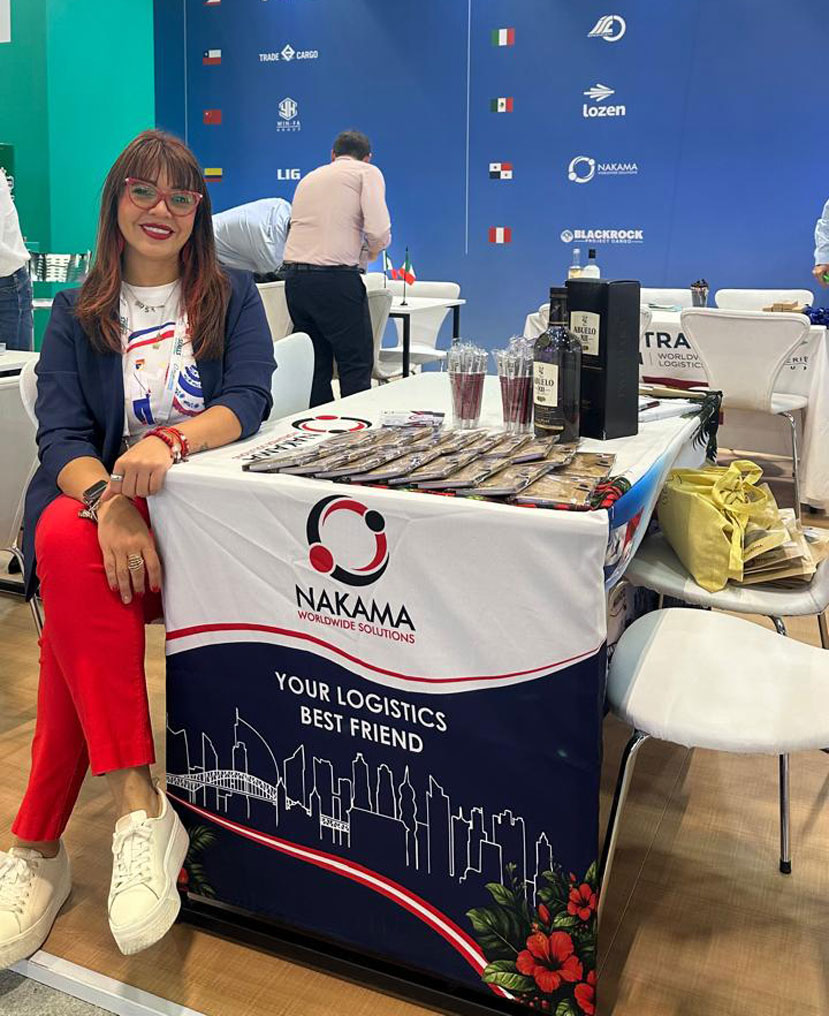
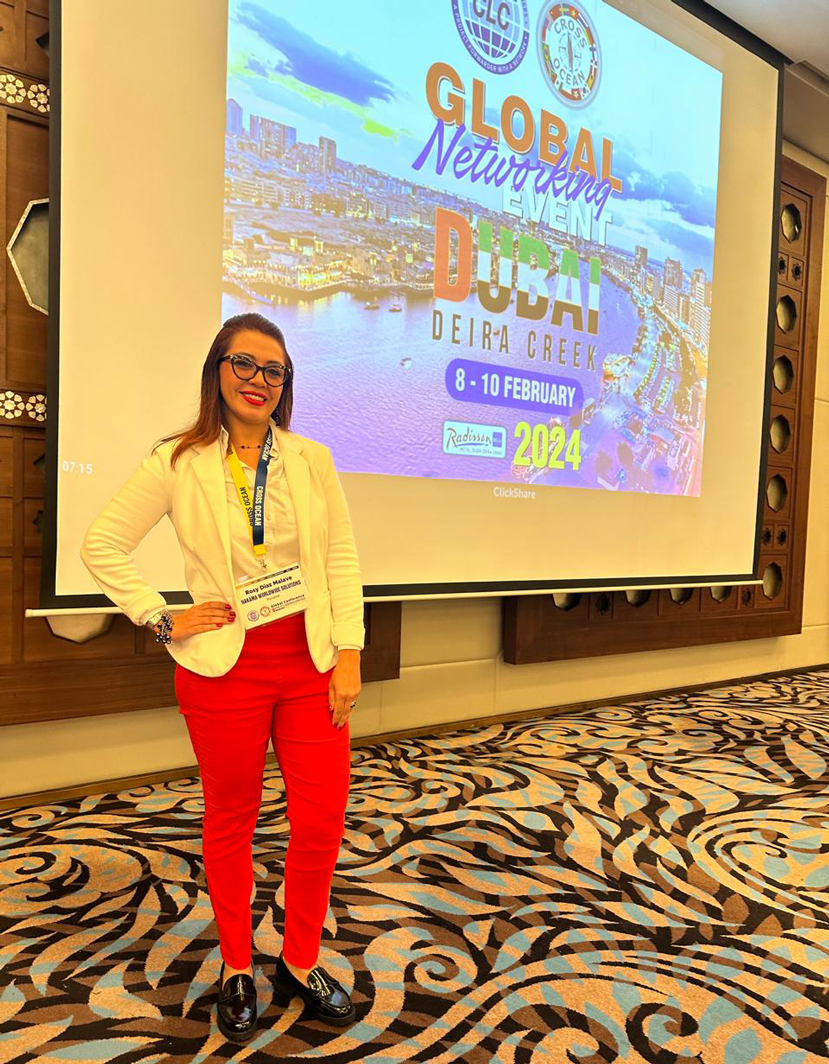
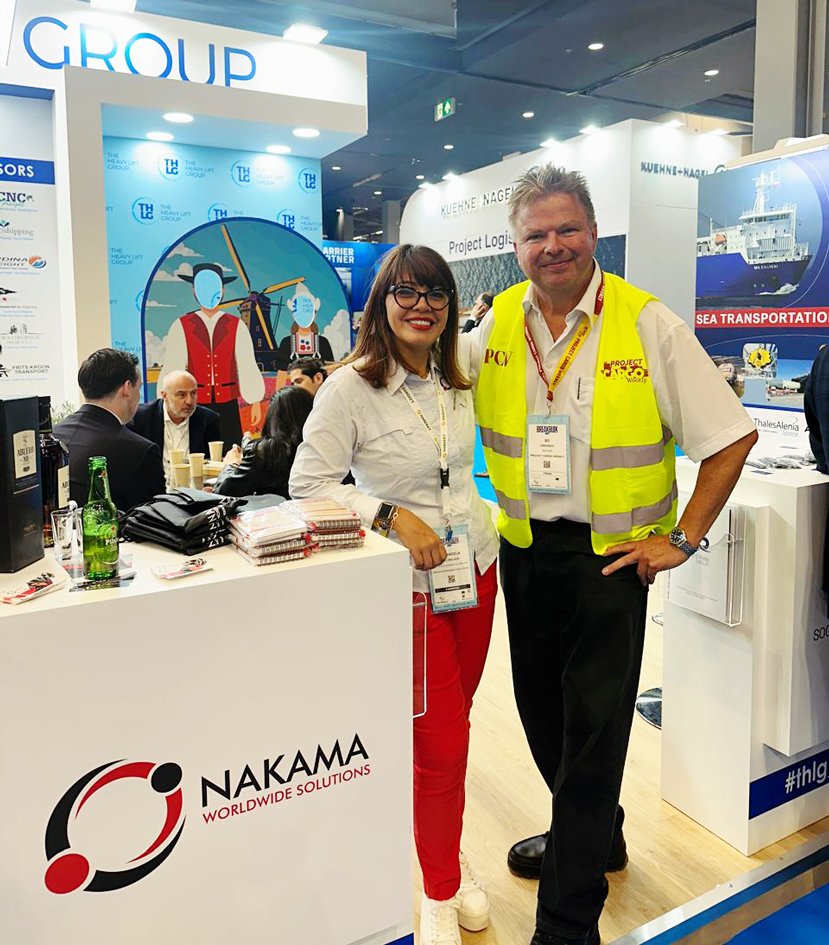
How is it best for our readers to get in touch with you?
The easiest way to get in touch with us is through our website or by contacting our team directly.
We are always happy to connect with customers, partners, colleagues, and anyone looking to explore new opportunities in logistics and international trade. And, of course, you can always reach out to me directly. I believe the best business relationships start with a conversation.
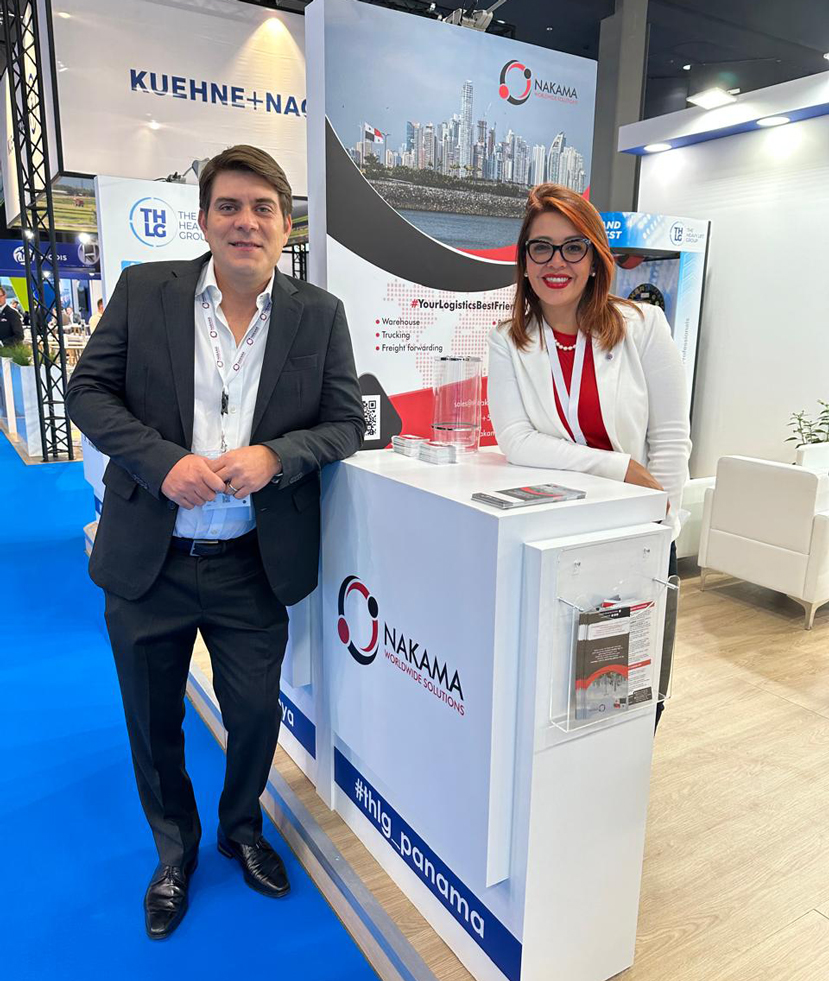
Nakama Worldwide Solutions
Location: Panama City & Colón, Panama
Website: www.nakama-wws.com
Email: sales@nakama-wws.com
Office: +507 305-0156
Mobile: +507 6217-2295 — WhatsApp, Telegram & WeChat
LinkedIn: Nakama Worldwide Solutions
Instagram: @nakamawws
Facebook: @NAKAMAWWS
X: @NakamaWws
Let’s connect, let’s collaborate, and let’s move things forward together, we are #yourlogisticsbestfriend!